Resources
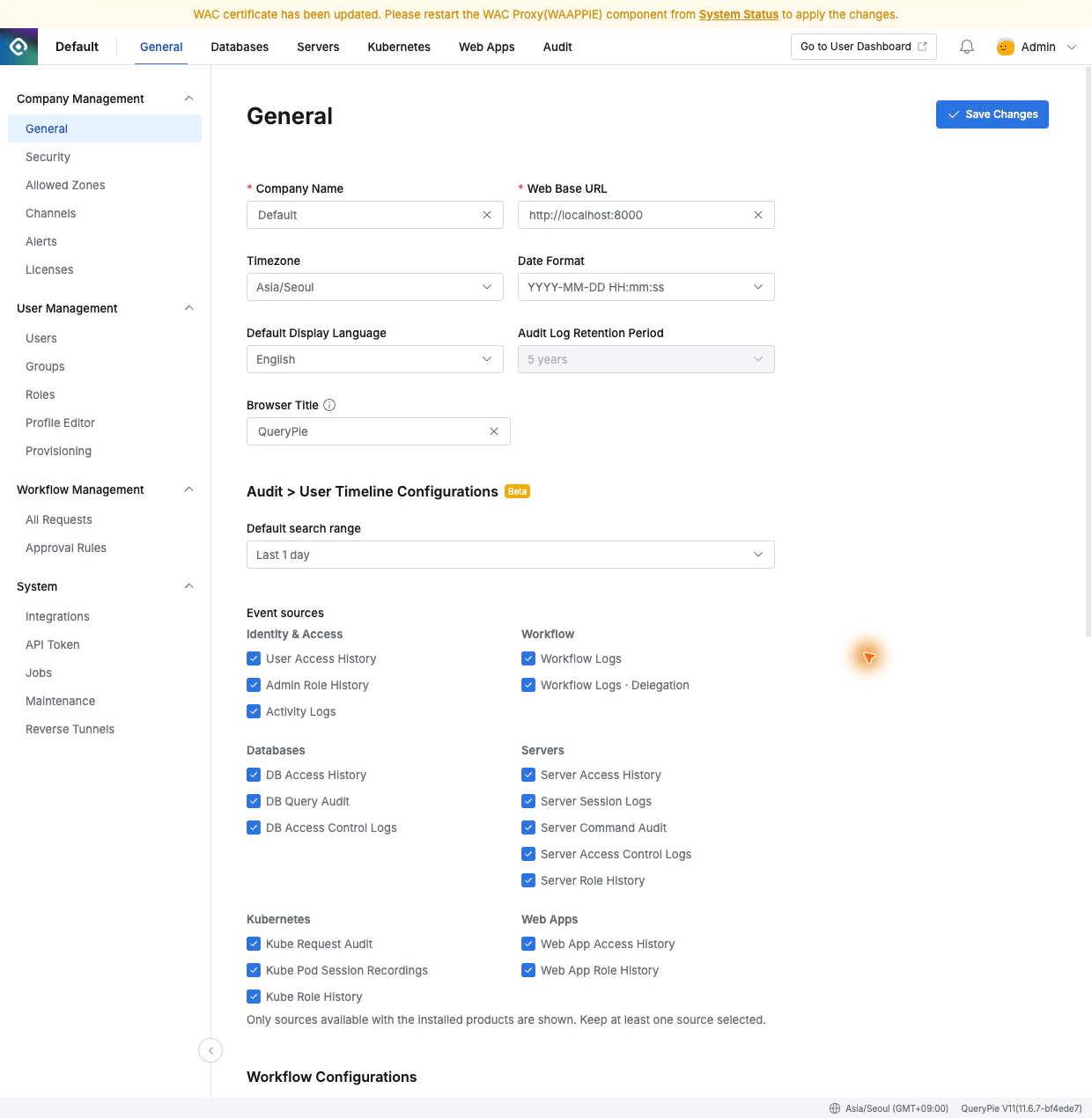
[Part 1] After a Breach, How Far Can an Attacker Go? — Why I Want to Try ACP Firsthand
Recent security incident reports keep bringing me back to the same question: ‘If an attacker is already inside, what can we still stop?’
November 7, 2026
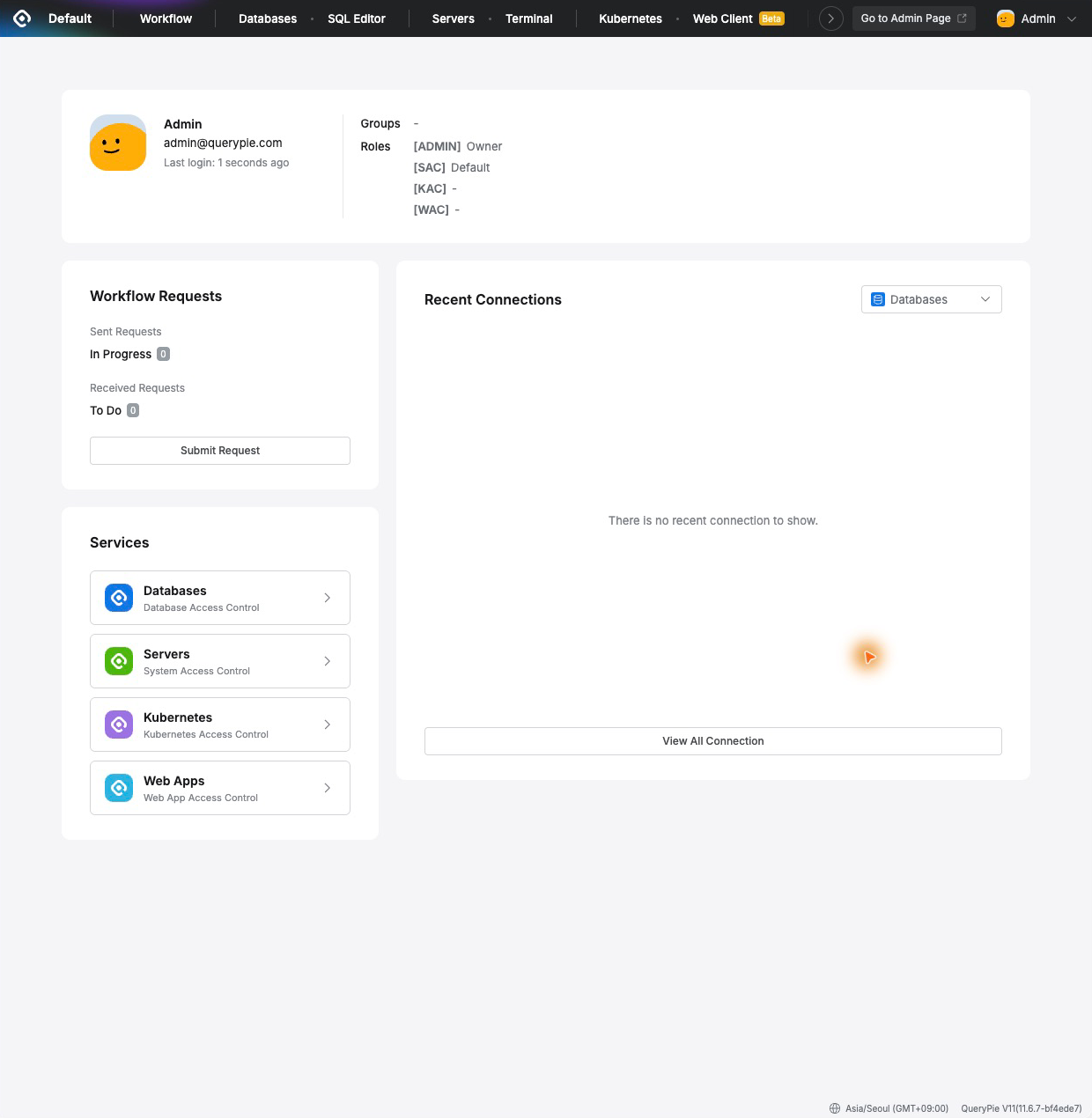
[Part 2] Installing QueryPie ACP Community Edition — A First Lab Environment for Evaluating Adoption
To explore what can be controlled after an intrusion, I installed QueryPie ACP Community Edition on my Mac. This first lab records the installation steps, issues encountered, and the checks completed before testing access policies.
November 7, 2026
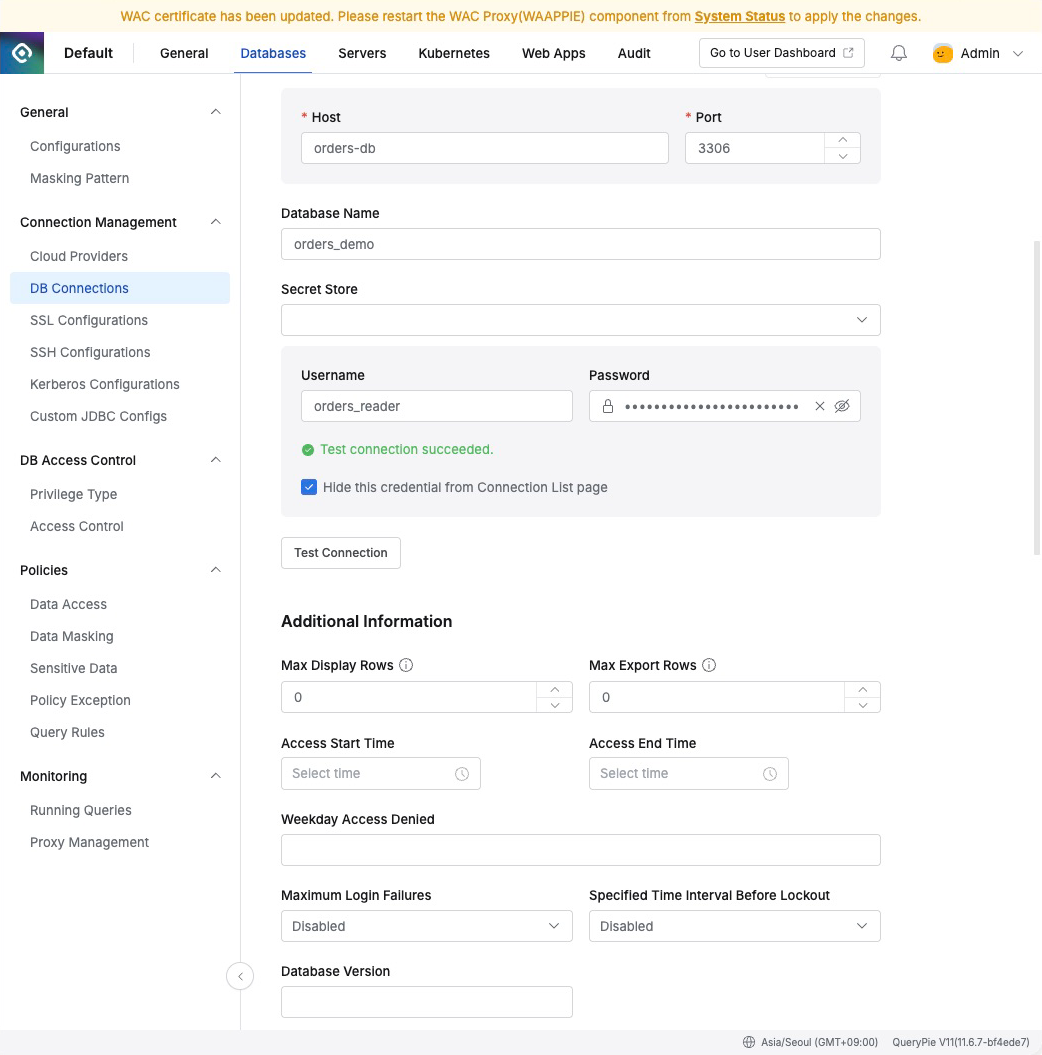
[Part 3] Connecting the First Database to QueryPie ACP — What Changes for Developers?
In Part 2, I installed QueryPie ACP Community Edition on my Mac and signed in. Now I want to connect a database and query real test data. What interested me was the developer experience: once an administrator registers a database, where does a developer run SQL? Is access limited to the browser, or can an existing database client be used?
November 7, 2026
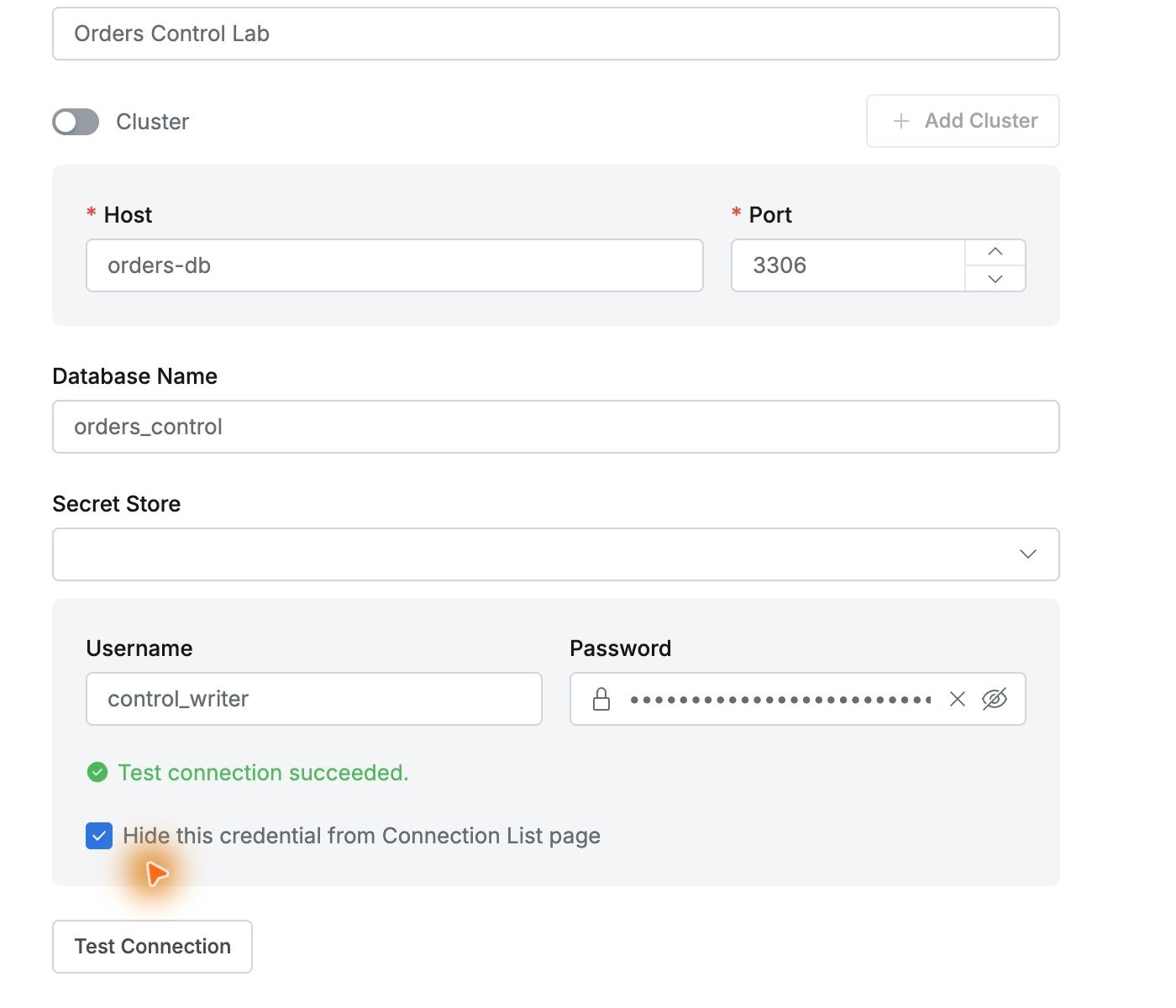
[Part 4] Running UPDATE with QueryPie ACP Read-Only Access — Blocking Queries, Revoking Access, and Reviewing Audits
Previously, I registered a database in QueryPie and queried orders in DBeaver, both with manual connection settings and Multi Agent. With reads working, I wanted to try the opposite: what happens when a read-only developer runs UPDATE, or an administrator revokes access?
November 8, 2026
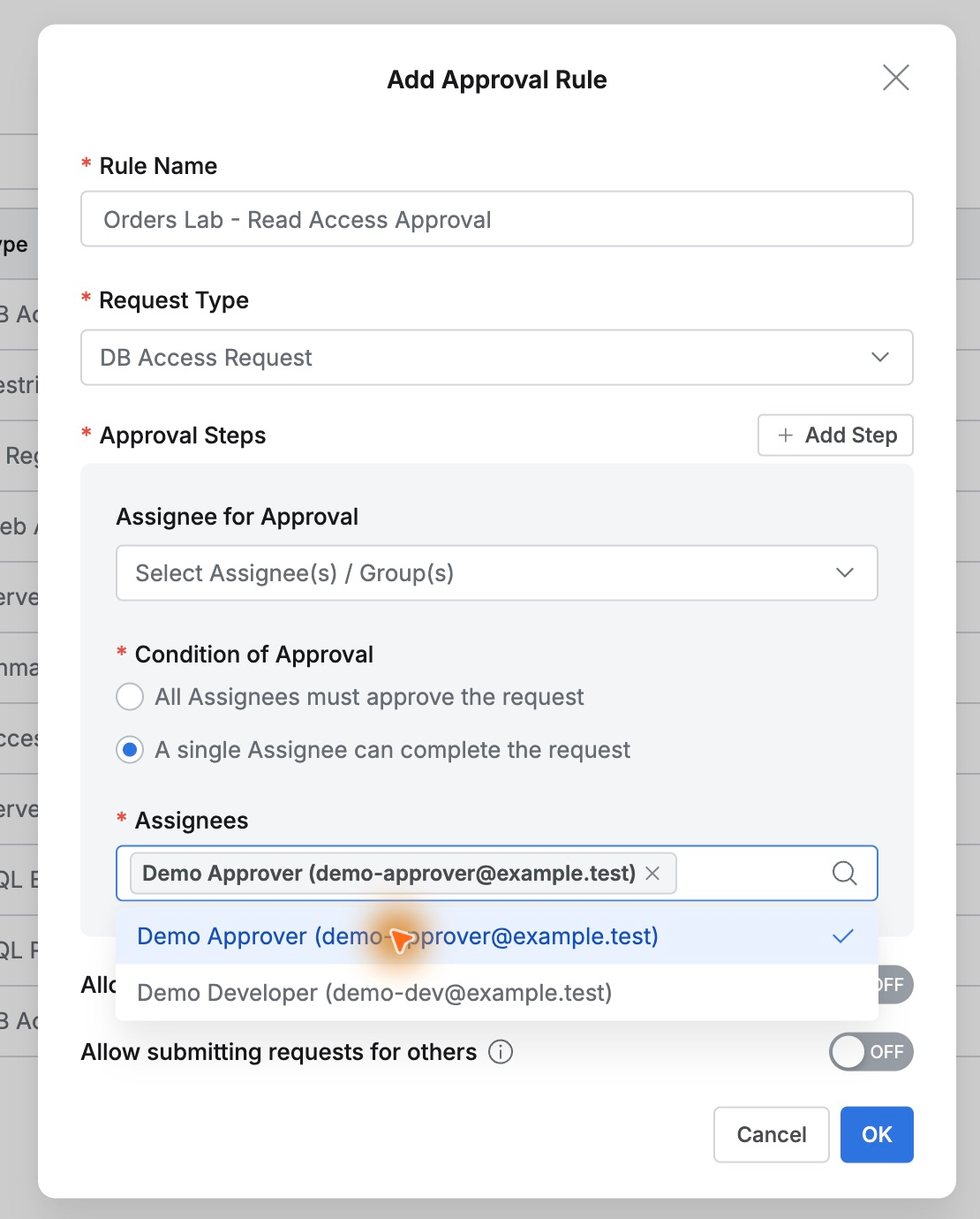
[Part 5] Requesting and Approving Database Access in QueryPie ACP — Through to Queries in DBeaver
‘I need to check order settlements. Could I have read access to the database until tomorrow?’ Database operators often receive requests like this. They need to establish which database, what privileges, and how long access is needed; as teams grow, recording who received access and why becomes important.
November 8, 2026
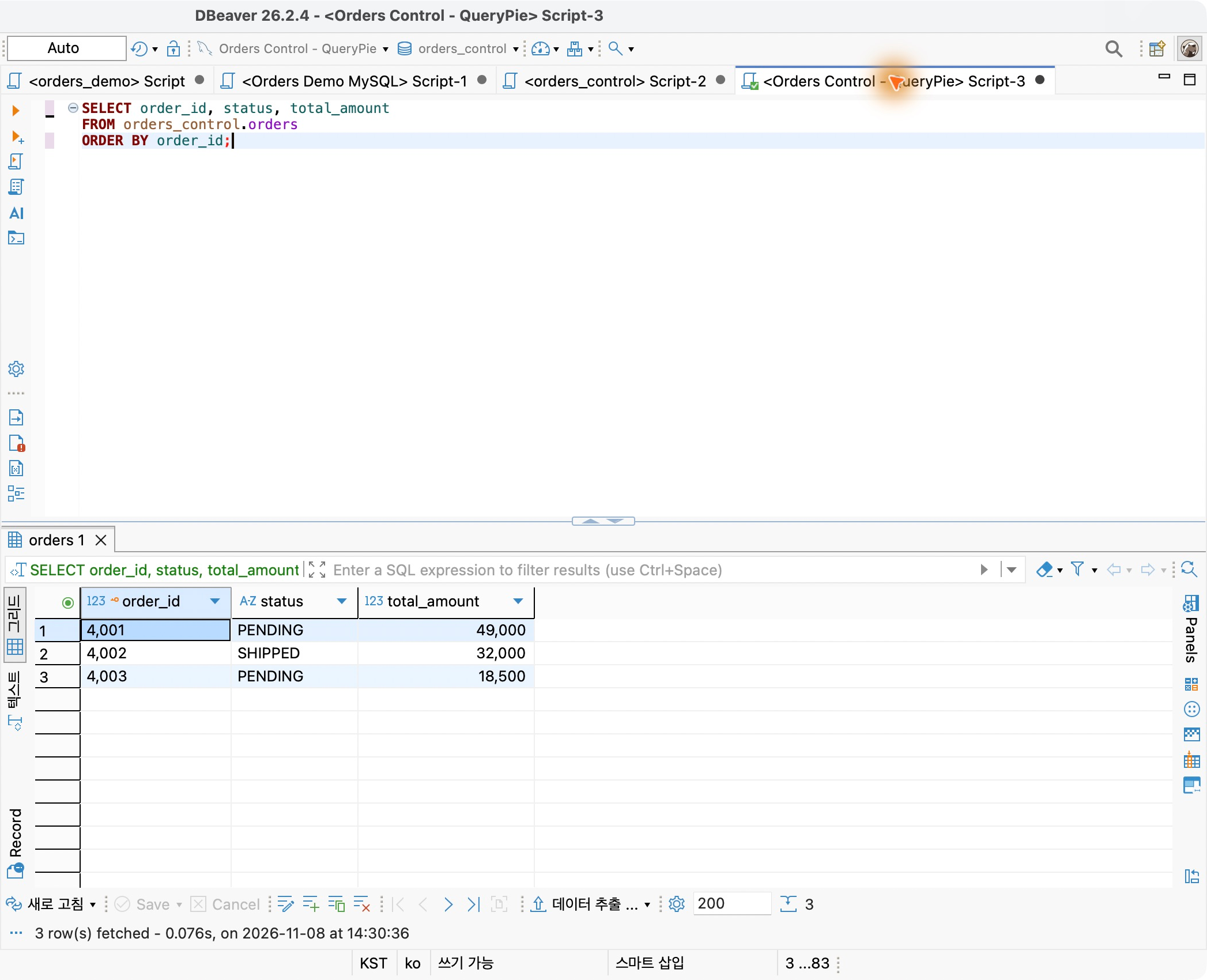
[Part 6] Approving SQL and Updating Data in QueryPie ACP — Keeping Read Access, Authorizing Only the Task
While querying a production database, sometimes one or two records need correcting: an order may still show an old status after delivery, or an incorrect value needs fixing. Even a simple production change should clearly record who changed it and why. After access approval in Part 5, this time I tried SQL approval.
November 8, 2026
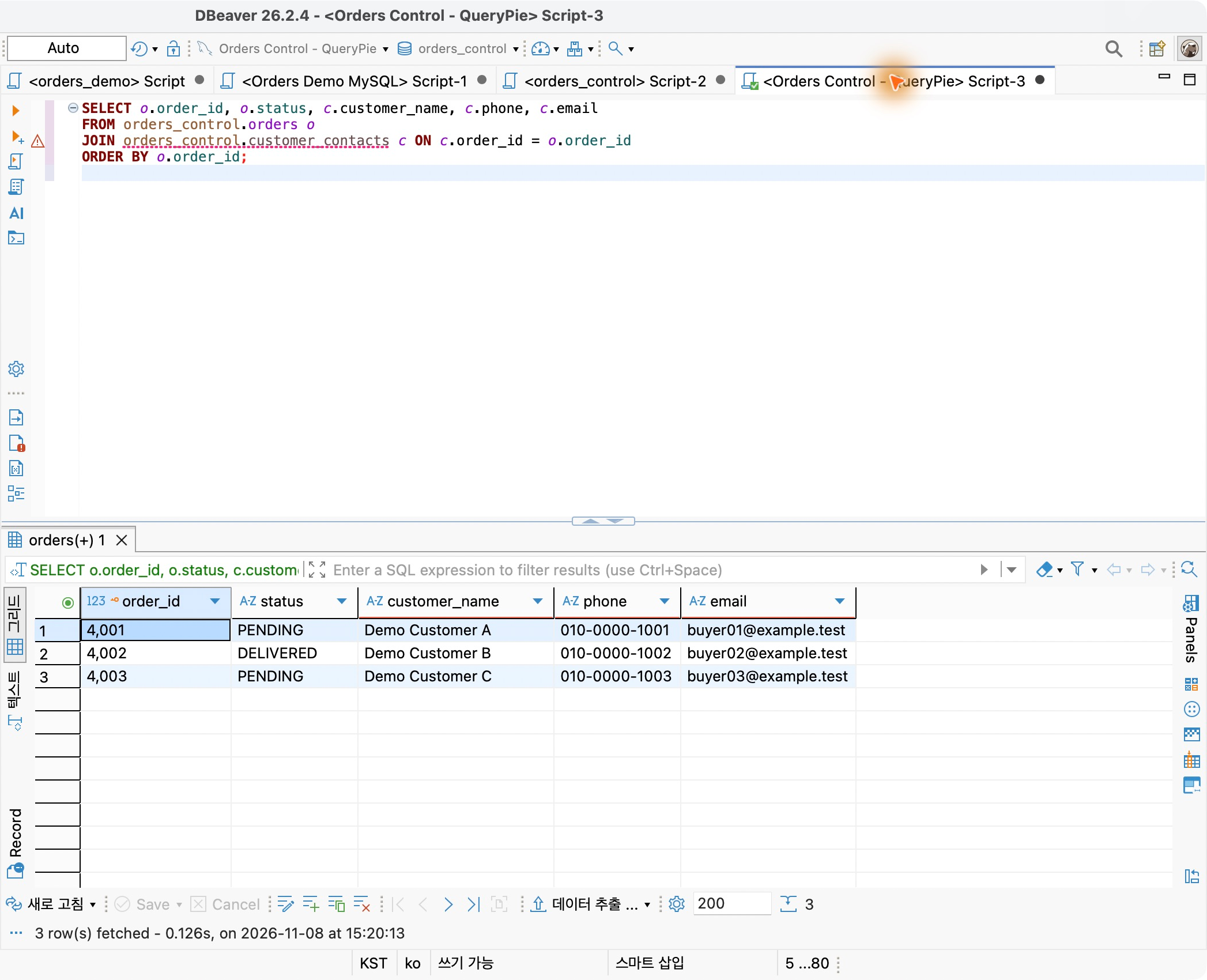
[Part 7] Allowing Database Queries While Hiding Personal Data — QueryPie Data Masking in Practice
In Part 6, I changed only necessary data through approved SQL while keeping read access. Now I wanted to control what query results reveal. Checking delivery status does not always require the customer’s full phone number and email, but blocking order queries altogether is not practical either.
November 8, 2026
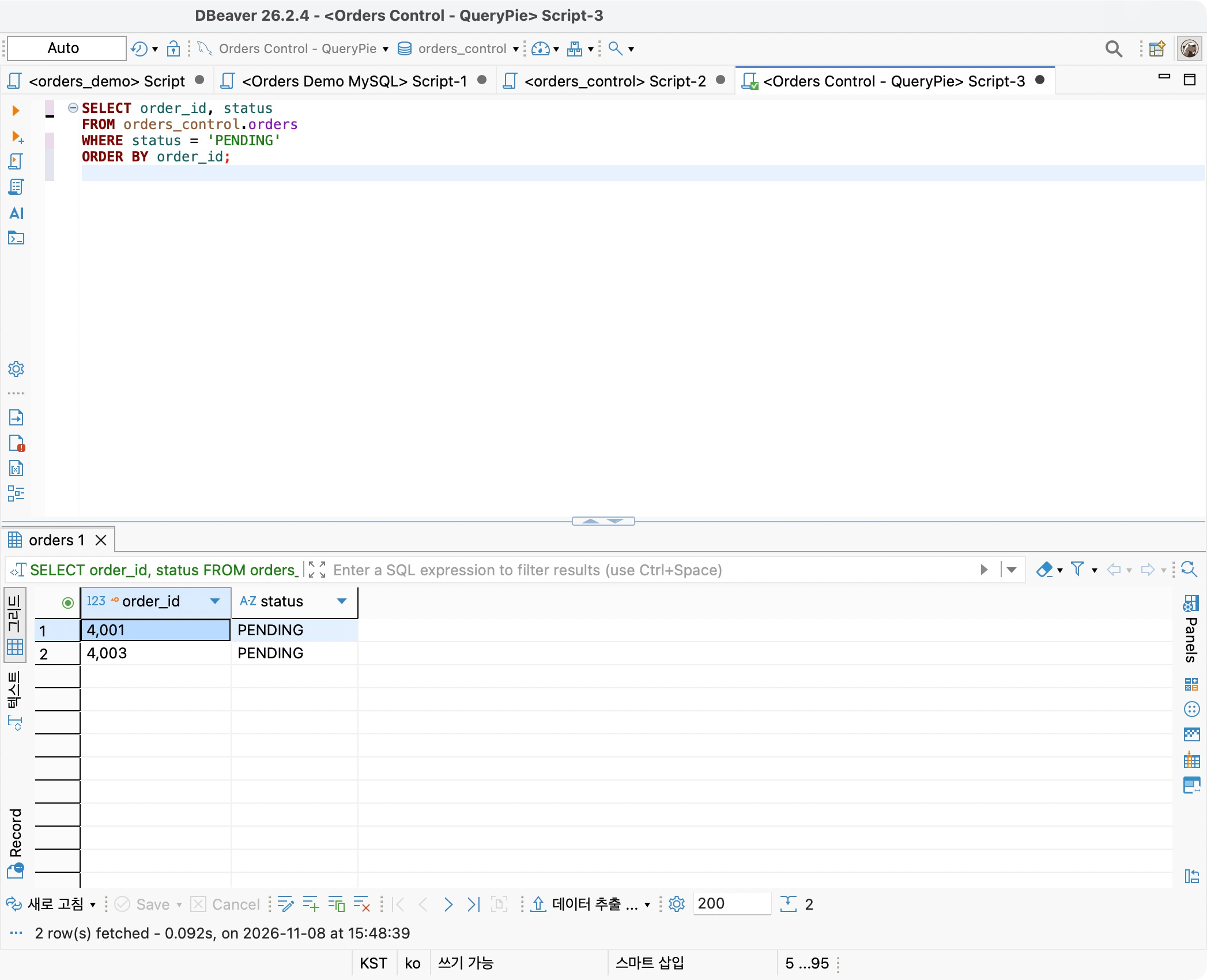
[Part 8] Who Queried Customer Information? — Tracing Database Activity with QueryPie Audit Logs
Part 7 masked phone numbers and emails for developers, with exceptions for staff needing original values. Now suppose someone asks who queried order 4002 after a delivery inquiry. Where should an administrator look, and what can the records tell us?
November 8, 2026
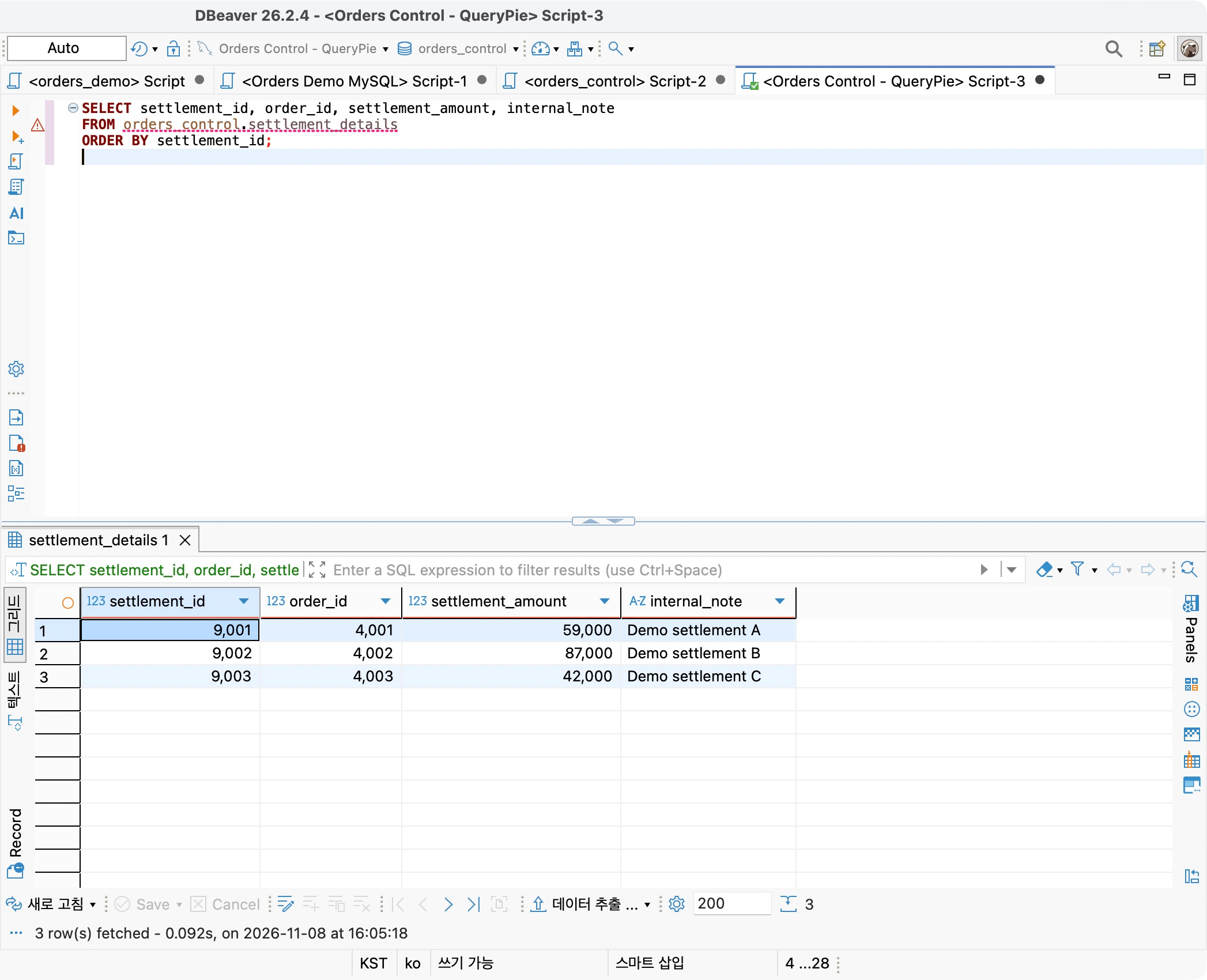
[Part 9] Allowing Order Queries While Protecting Settlements — QueryPie Table Access Restrictions
Allowing a database connection does not mean every table is needed. A developer checking orders does not necessarily need settlement amounts or internal notes. I put both tables in one database and tried allowing order queries while restricting settlements in QueryPie ACP.
November 8, 2026
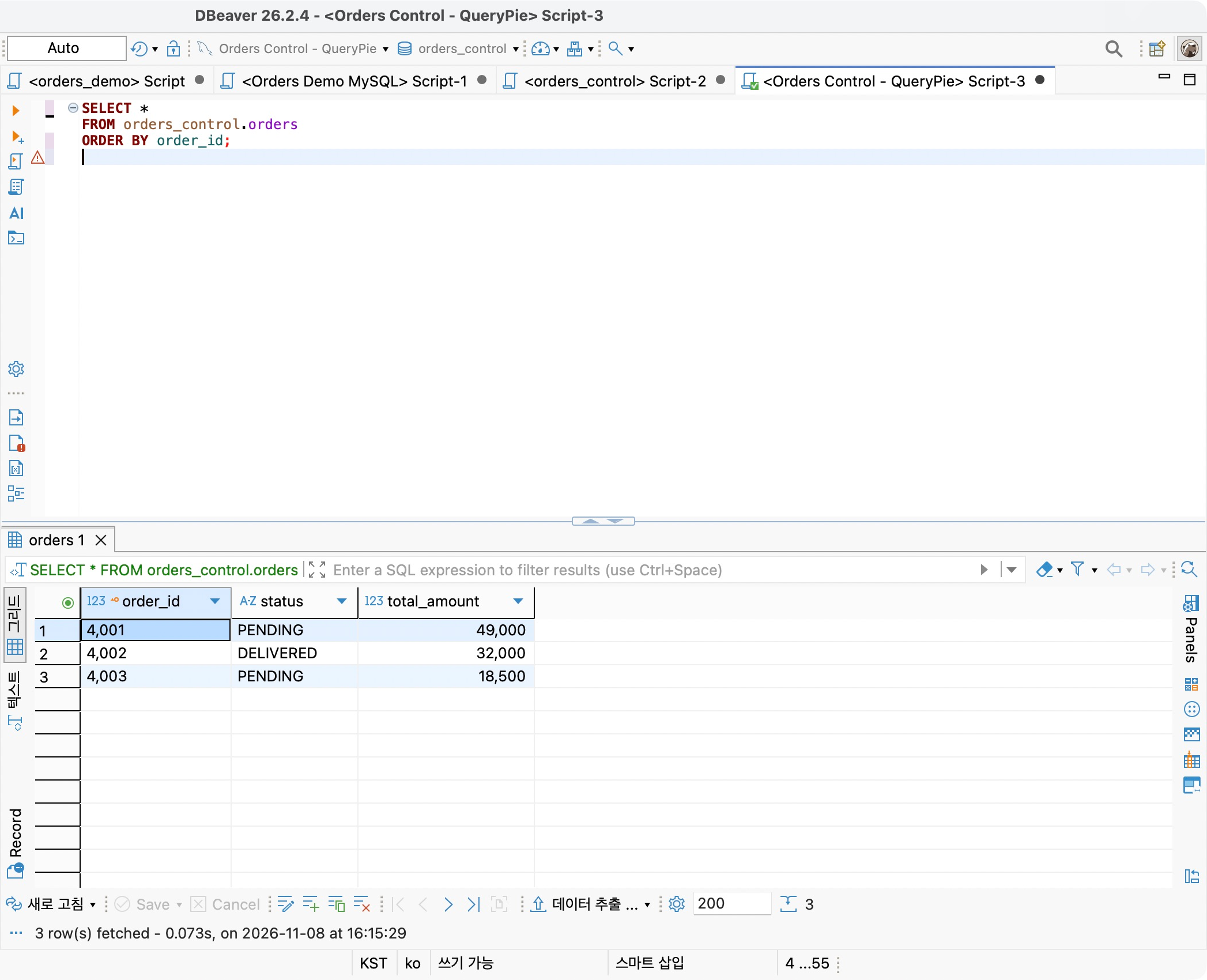
[Part 10] ‘Select Only the Columns You Need’ — Enforcing SQL Guidelines with QueryPie Query Rules
‘Specify only the columns you need.’ Teams sharing a database often adopt this rule. Habitual SELECT * retrieves extra fields such as amounts even when only order status is needed. I tried enforcing that guideline through QueryPie Query Rules.
November 8, 2026
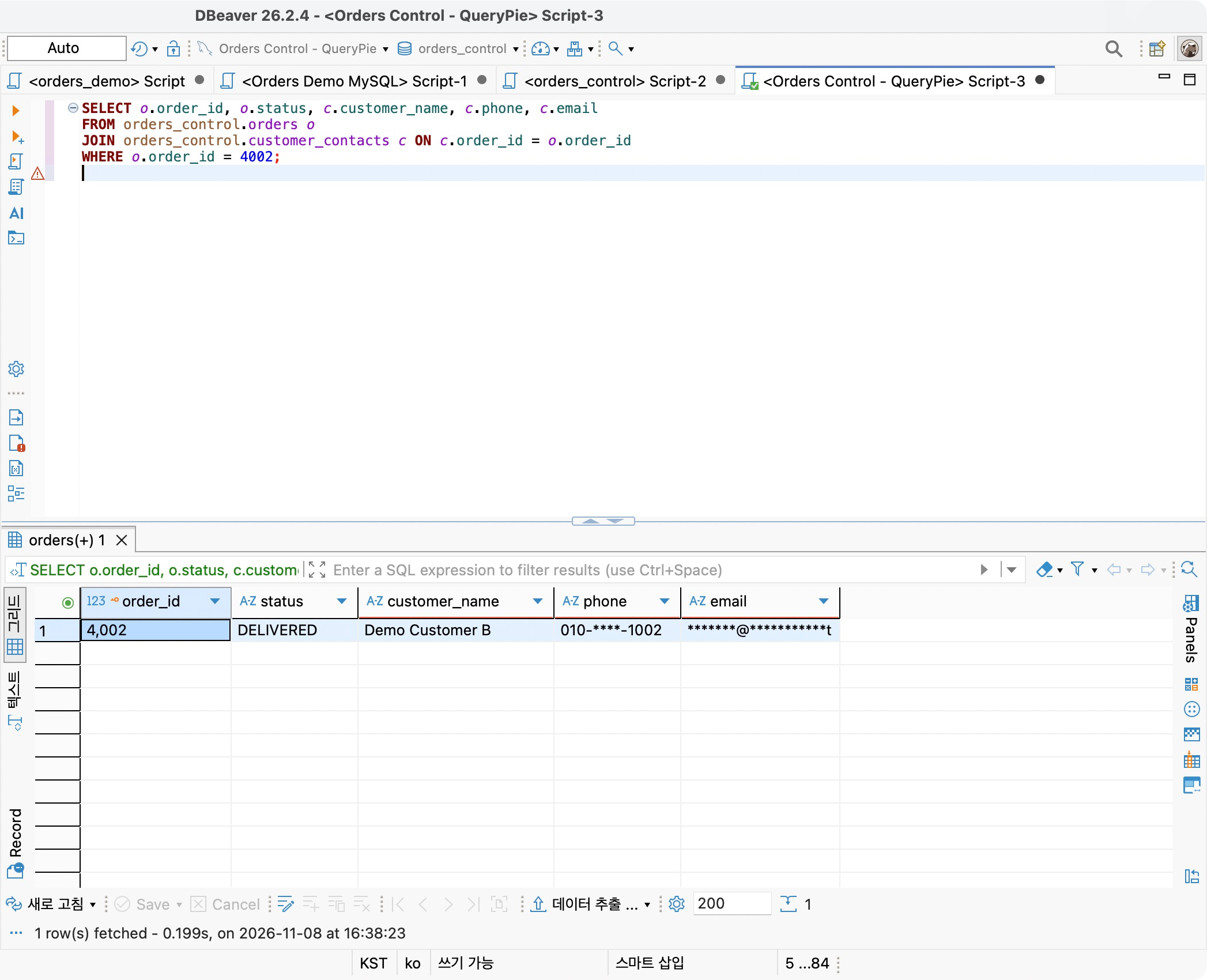
[Part 11] When a Masked Phone Number Is Needed — QueryPie Unmasking Requests and Approvals
Masking let us keep order information visible while hiding phone numbers and emails. But staff handling delivery inquiries sometimes need to contact a customer. Must the administrator change the entire masking policy each time? I tried QueryPie Unmasking Request instead.
November 8, 2026
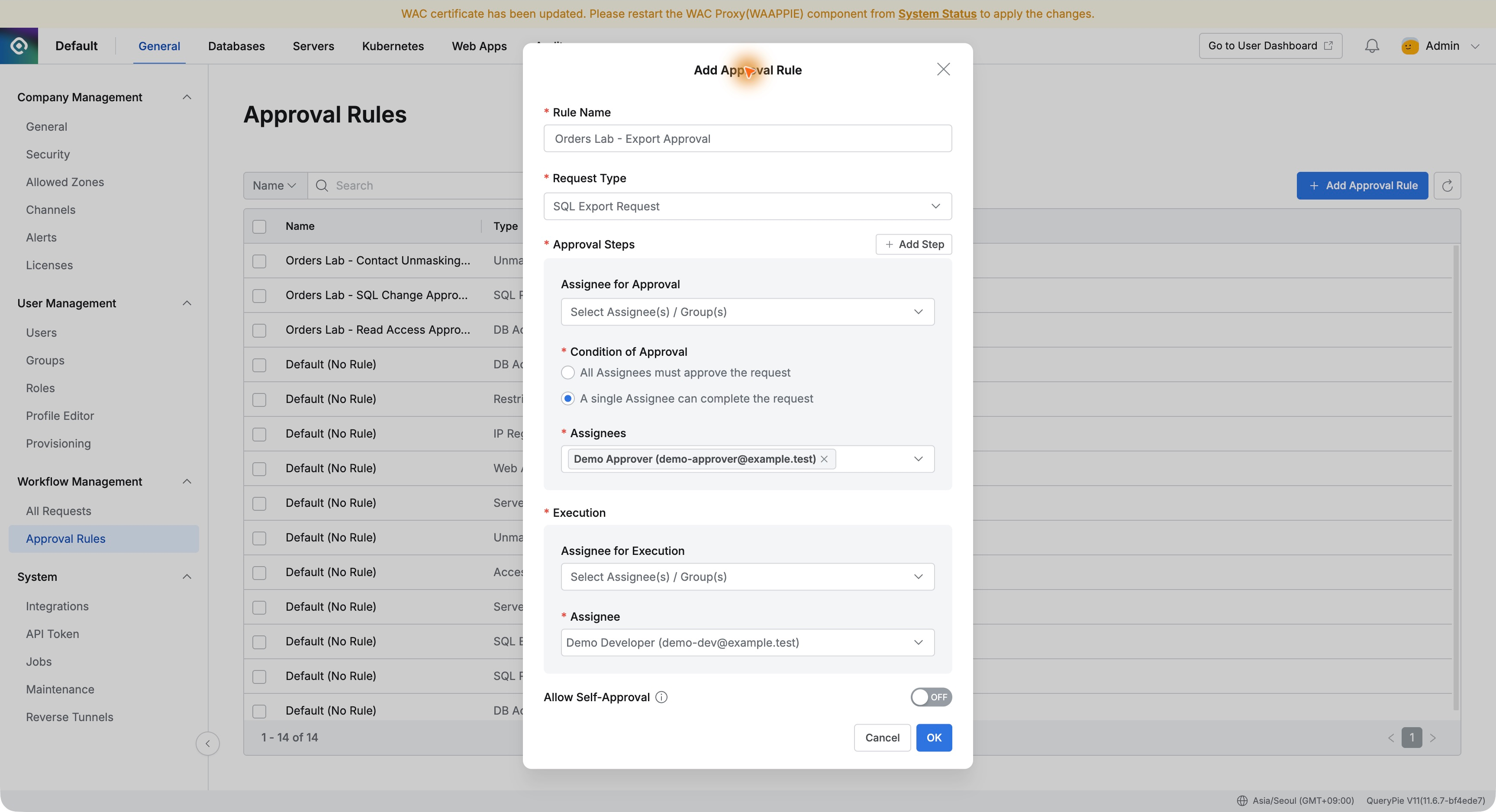
[Part 12] Exporting Database Data with Approval — QueryPie SQL Export in Practice
Query results sometimes need to become a report. A file makes shipping summaries and amount comparisons easier, but operators also want to know who downloaded what and why. I tried SQL Export Request for an order summary.
November 8, 2026
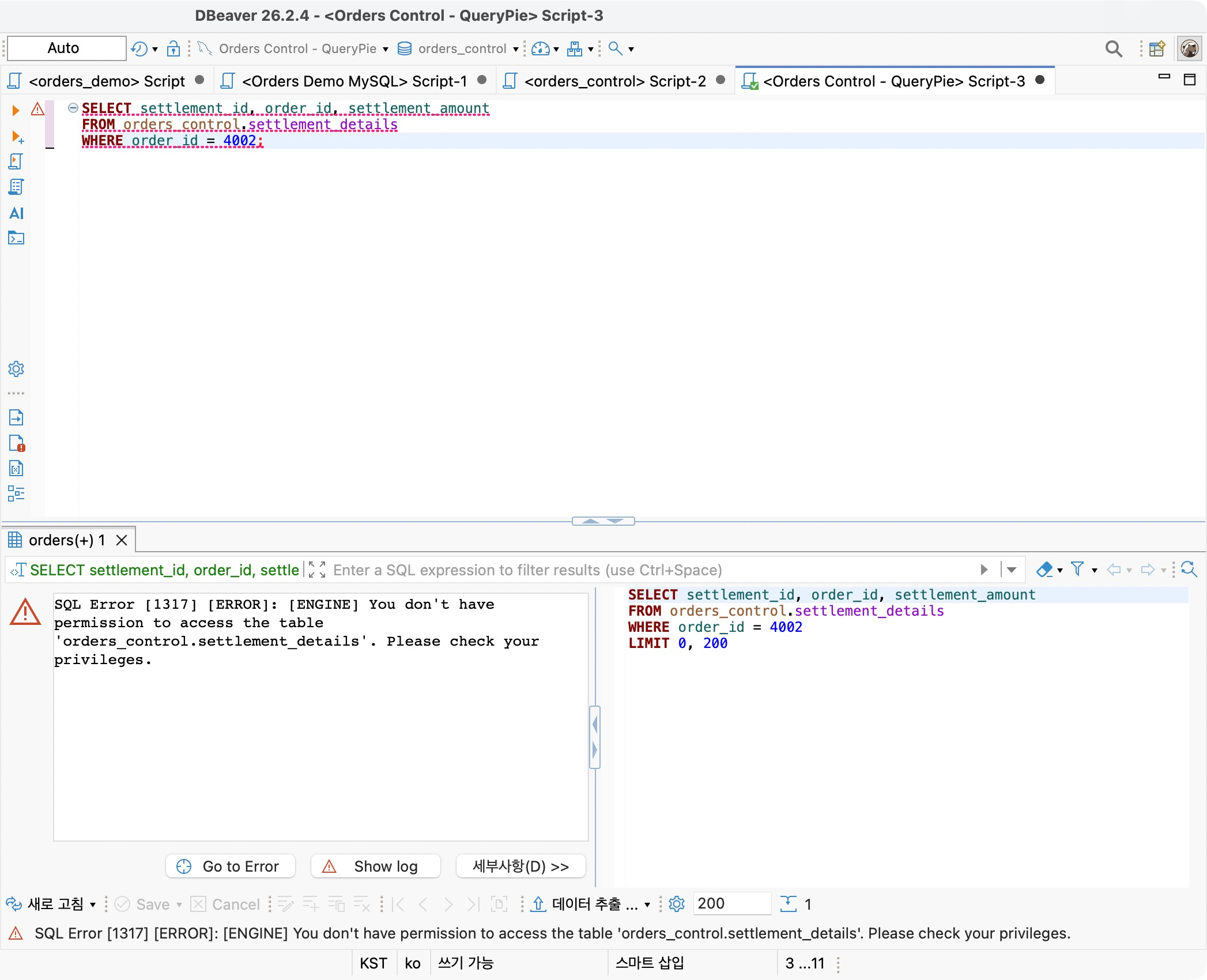
[Part 13] When Settlement Data Is Needed — Approving Restricted Data Access in QueryPie
Part 9 allowed order queries while restricting settlements. A developer normally checking status did not need settlement data. But reconciliation can require it. I tried Restricted Data Access Request to obtain approved, time-limited access without removing the policy.
November 8, 2026
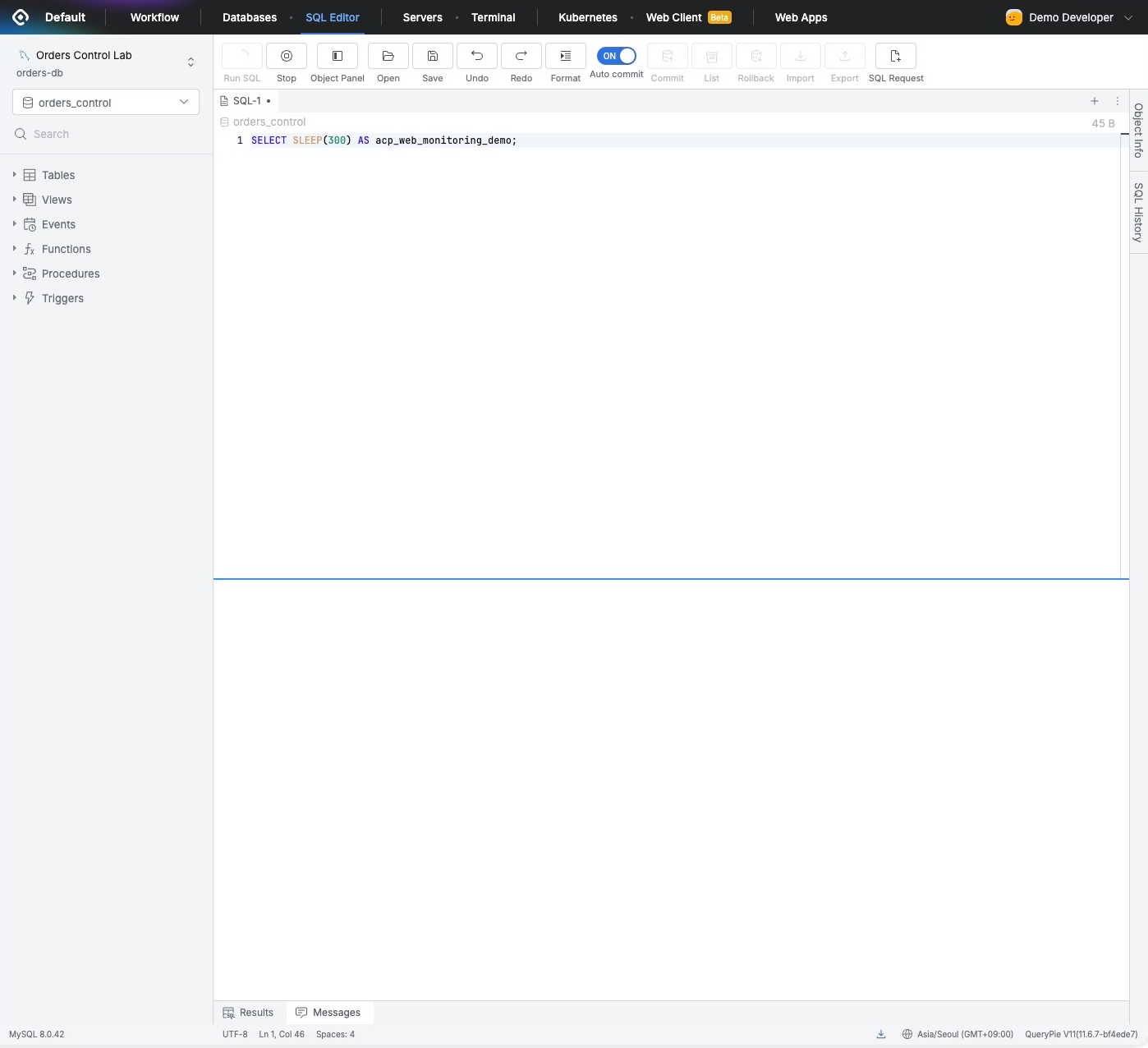
[Part 14] Stopping a Running SQL Statement — QueryPie Query Monitoring
Even with access controls and approvals, operators sometimes need to inspect SQL already running. A slow-query report starts with identifying who ran what and where. I tried Running Queries to locate and stop a web-editor test query.
November 8, 2026
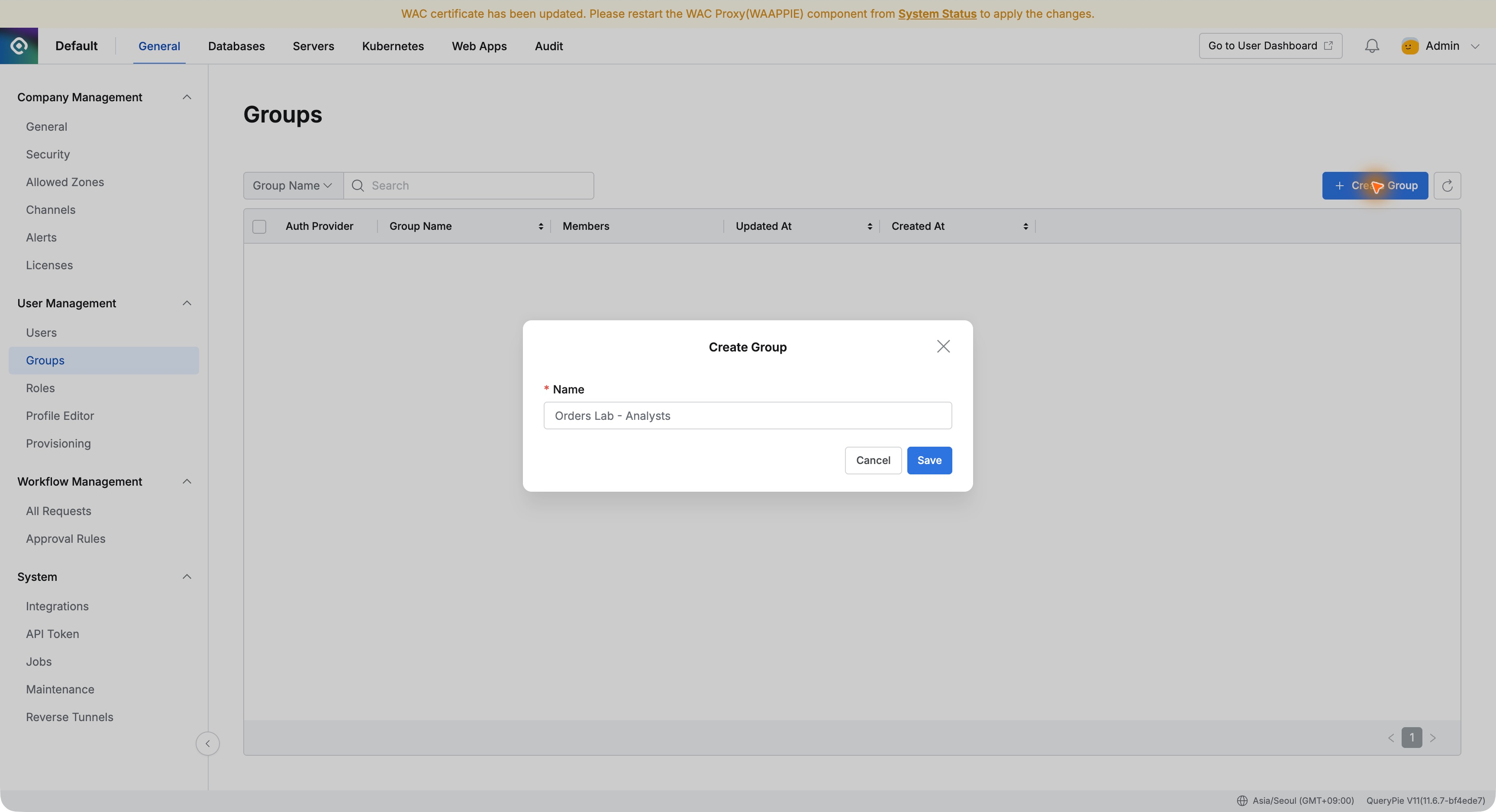
[Part 15] Join the Team, Receive Database Access — QueryPie Group Management
Granting one user access was enough at first, but individually checking privileges becomes tedious as a team grows. I created an order-analysis group, granted read-only access to the group, and added a new analyst without assigning individual database privileges.
November 8, 2026
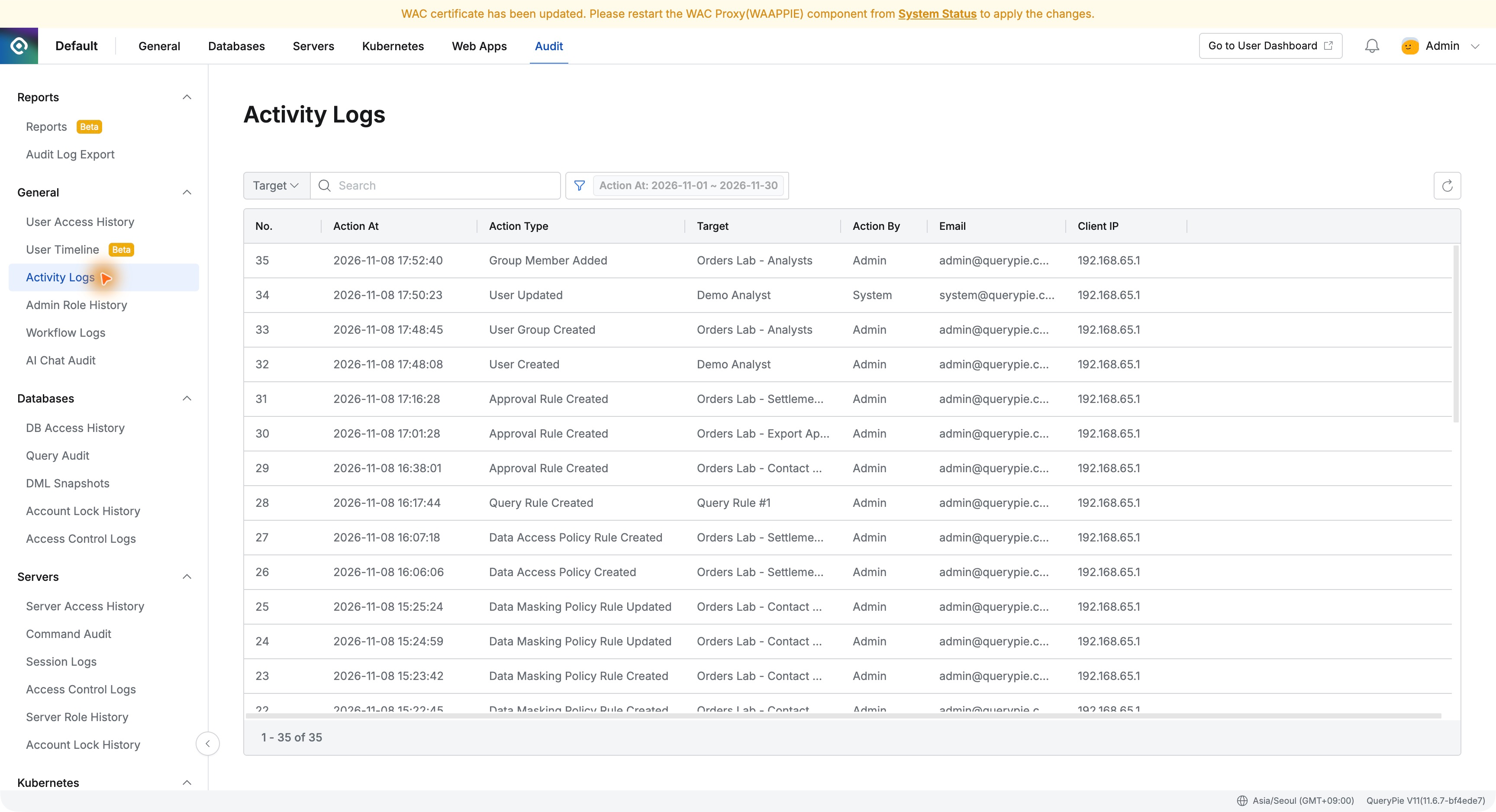
[Part 16] Who Granted This Database Access? — QueryPie Administrator Change History
After creating an analysts group and adding a user, I wondered whether a future operator could explain how the current privileges came about. I searched QueryPie audits for the group creation, access grant, and membership change.
November 8, 2026
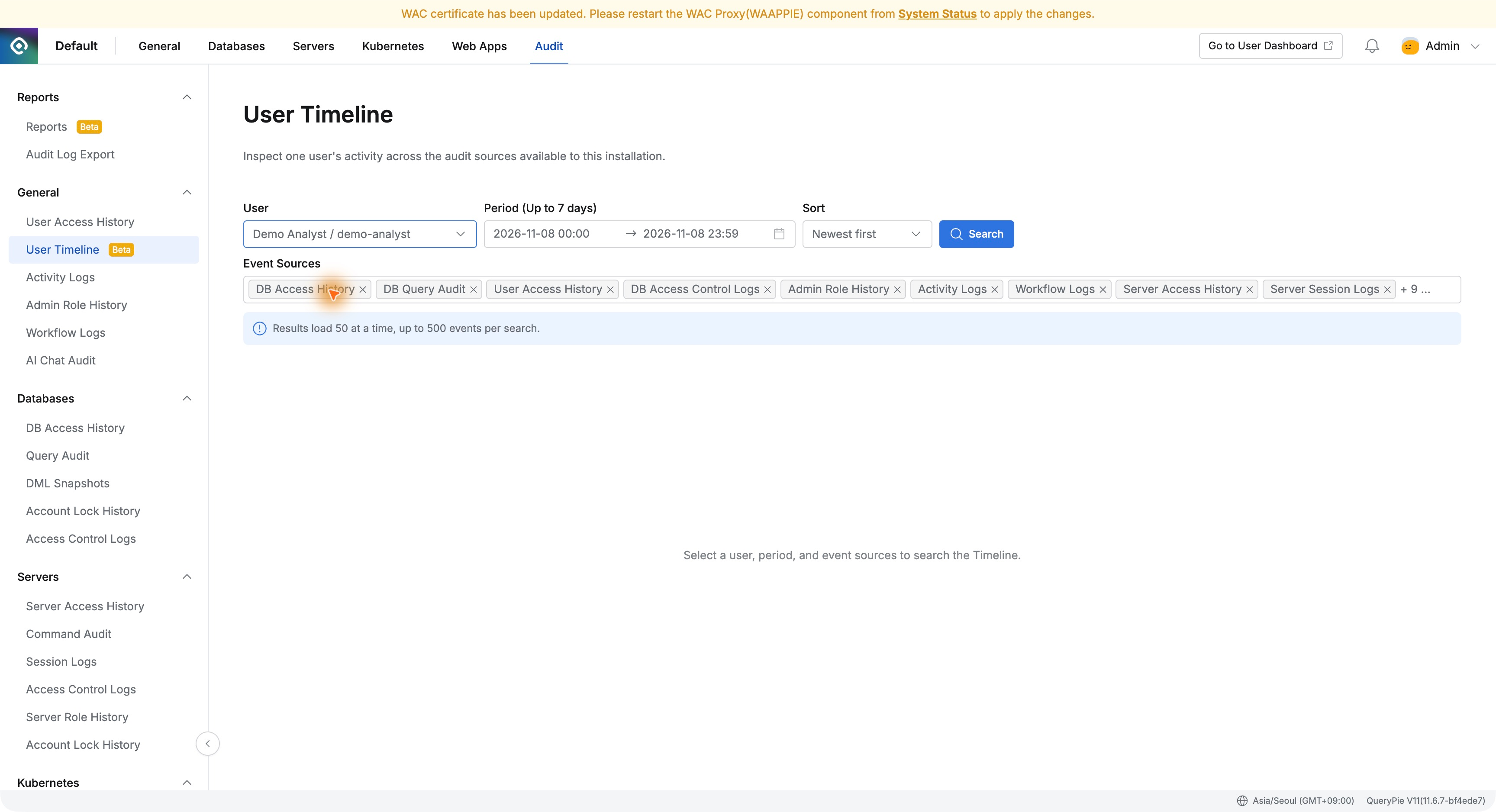
[Part 17] What Did This User Do? — QueryPie User Timeline
‘I can connect to the database, but one operation fails.’ Operators must distinguish login problems, connection issues, and blocked SQL. I used User Timeline to follow Demo Analyst’s successful read and blocked UPDATE in one sequence.
November 8, 2026
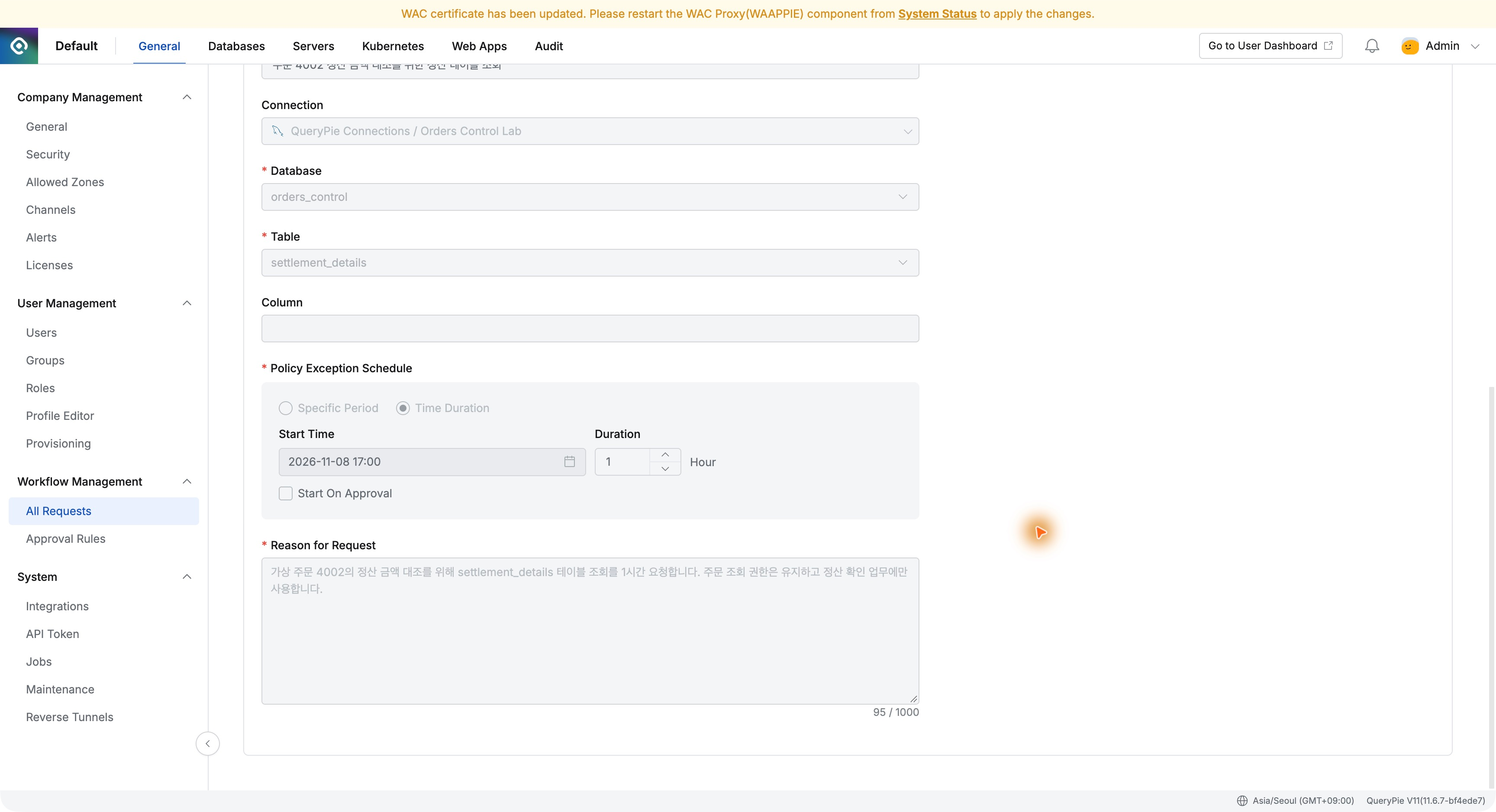
[Part 18] Temporary Access Needs an End Time Too — QueryPie Policy Exceptions
‘I just need a quick look at settlement amounts.’ Once access is granted, its end time needs managing too, so exceptions do not remain after work ends.
November 9, 2026
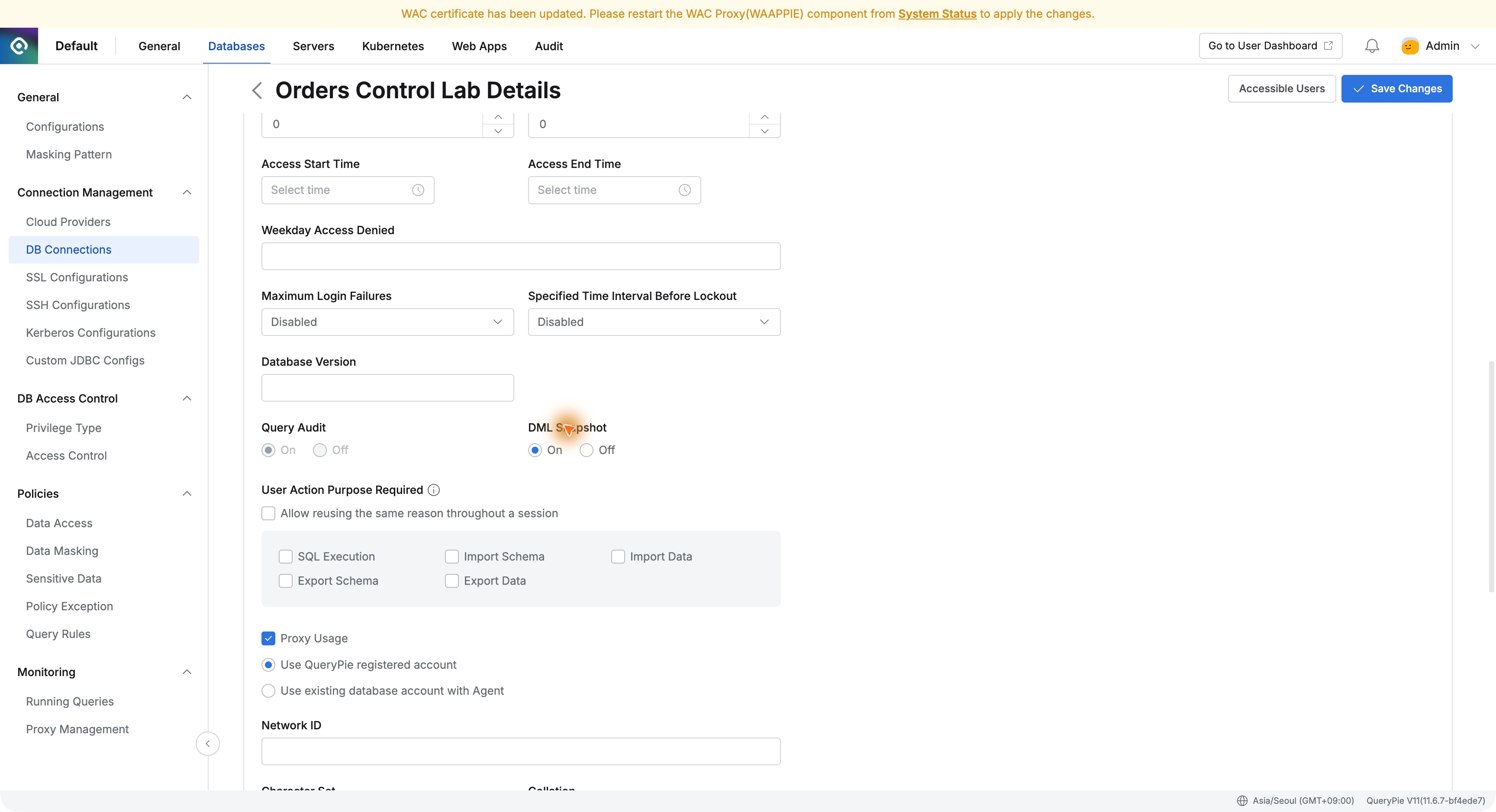
[Part 19] Finding the Previous Value After an Order Update — QueryPie DML Snapshot
Part 6 executed approved SQL without granting ongoing write access. Now I wanted to see not only who ran SQL, but how the data actually changed. I changed a fictional order from PENDING to DELIVERED and inspected DML Snapshot.
November 9, 2026
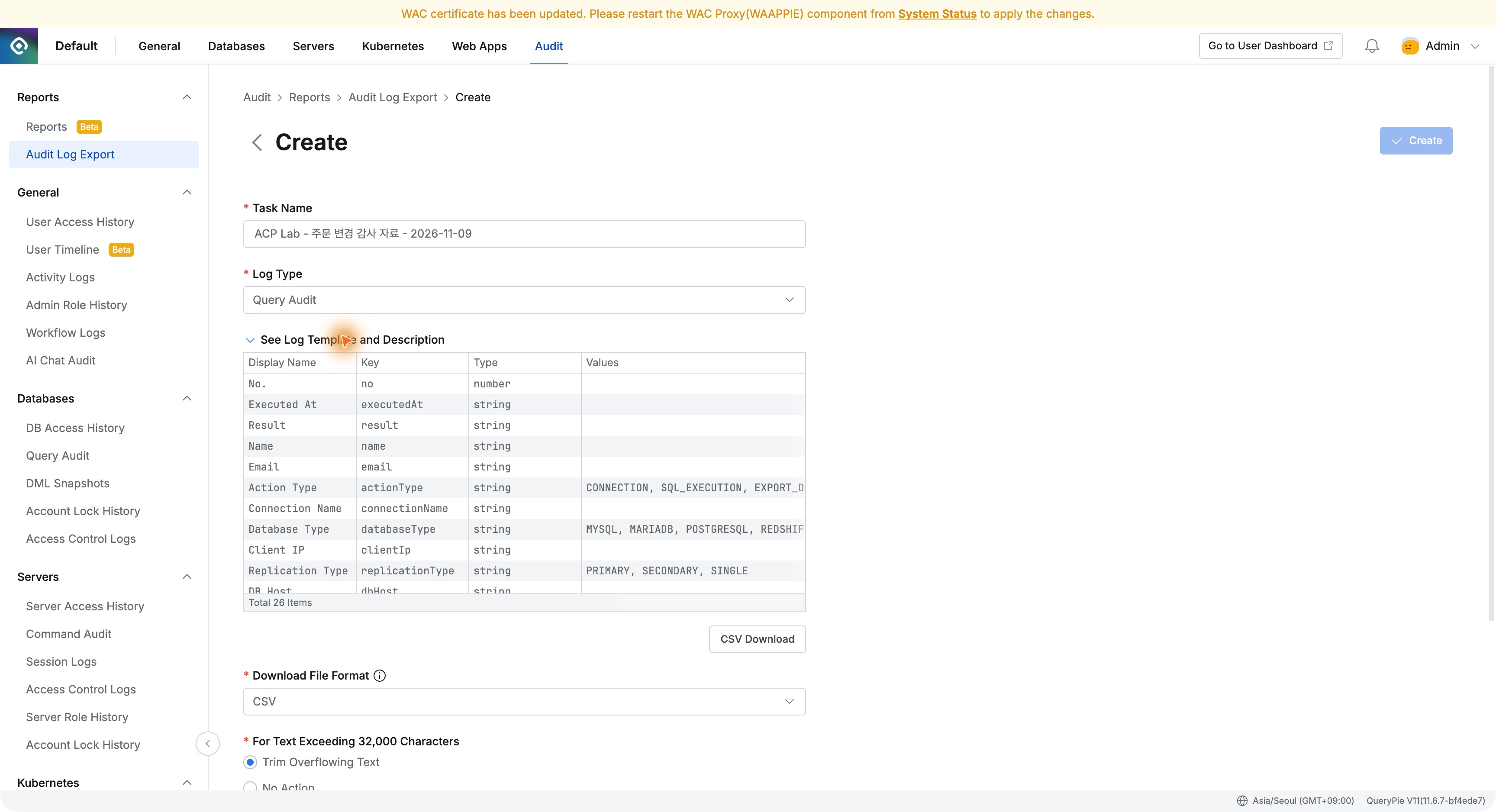
[Part 20] Selecting the Records an Audit Needs — QueryPie Audit Log Export
Part 19 inspected order values before and after a change. Here, I exported the activity records to support an audit or internal review of a particular user’s database work. Filtering by period and user gathered both the read and approved update, with SQL, outcomes, and workflow UUID.
November 9, 2026
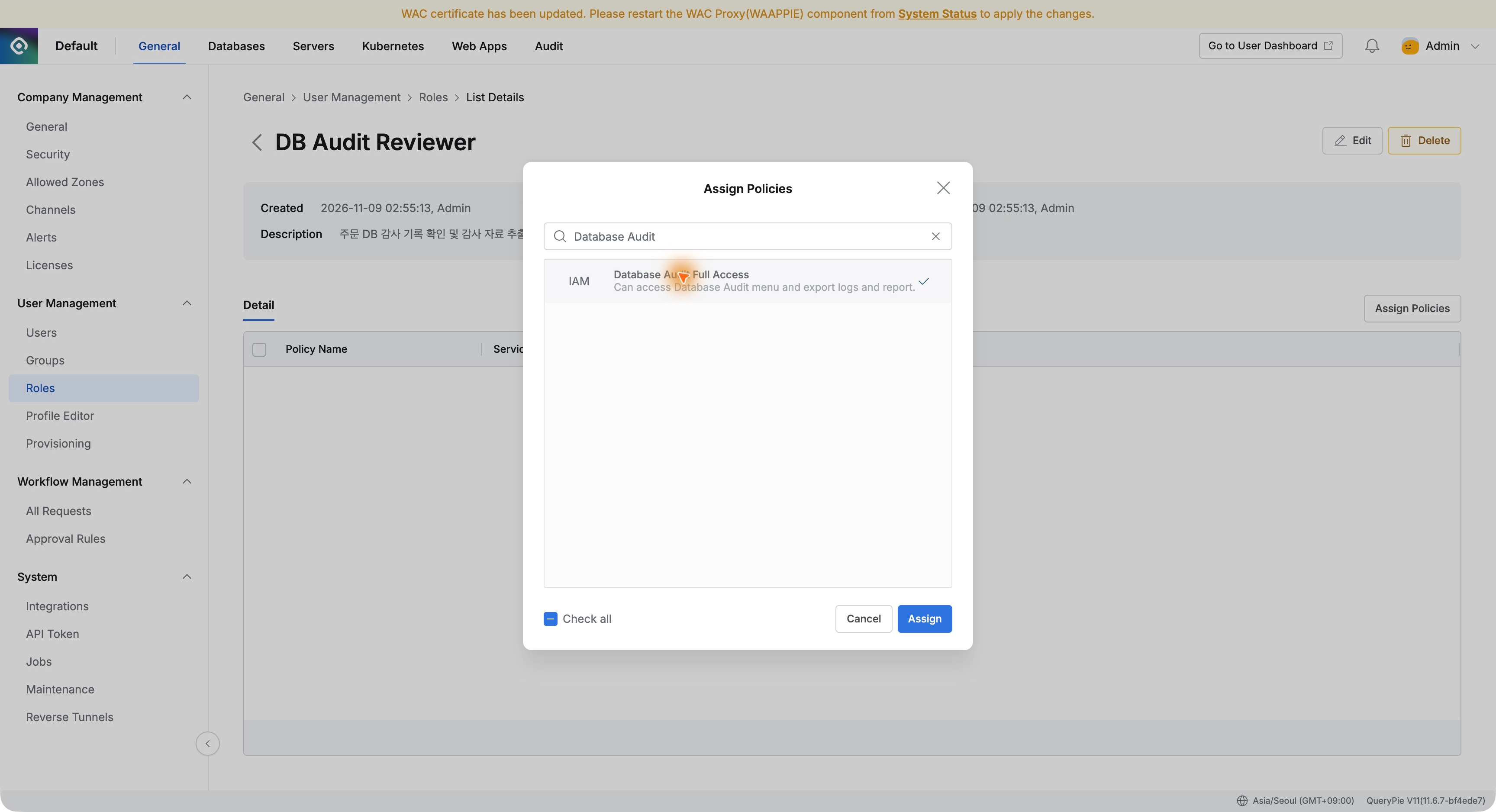
[Part 21] Giving Auditors Only the Access They Need — Separating QueryPie Administrator Roles
Previously, an administrator reviewed and exported database audits. In production, configuration and audit review may belong to different people. I created an auditor role that could inspect changes, DML snapshots, and downloads, while database configuration remained inaccessible.
November 9, 2026
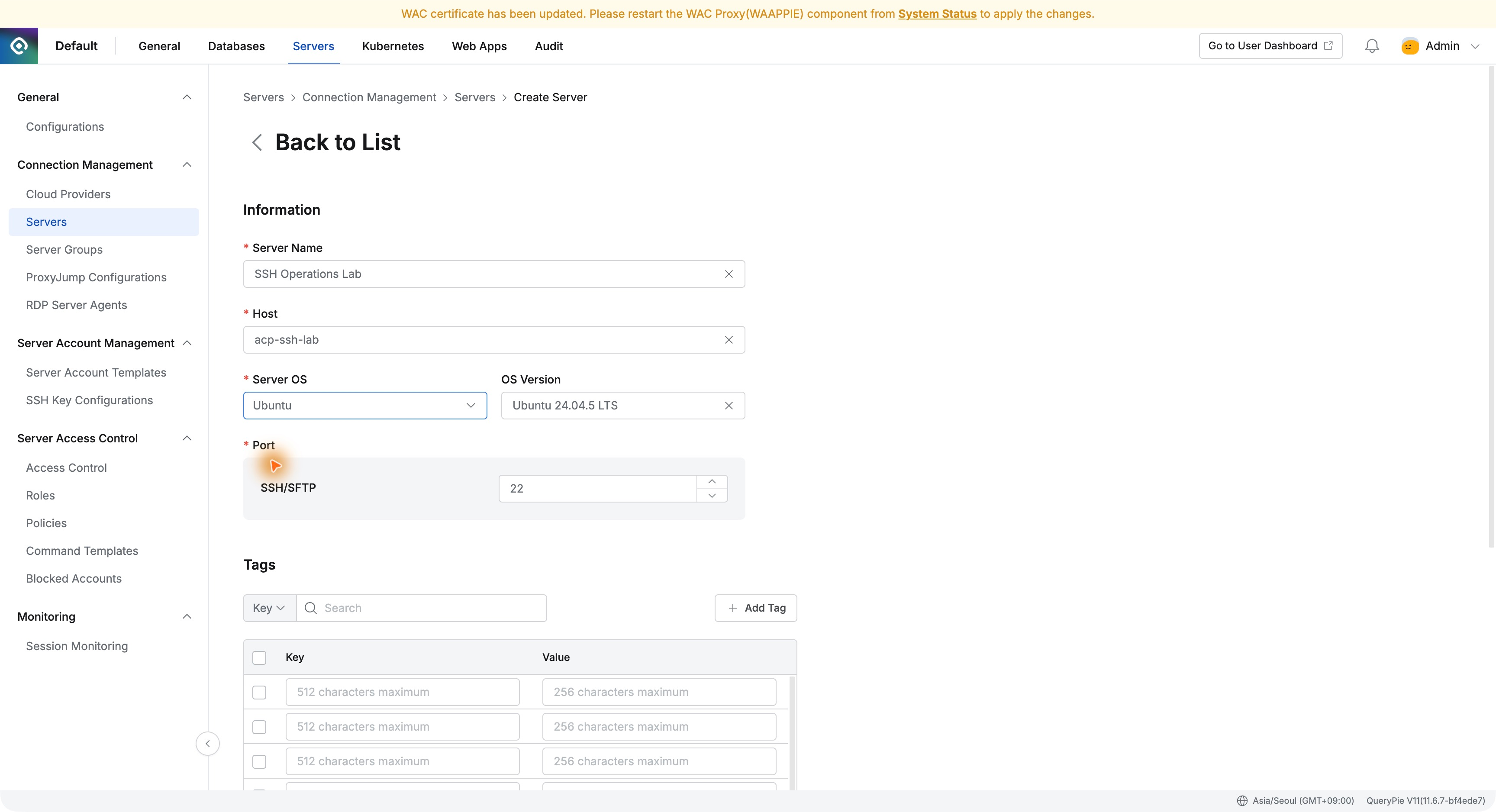
[Part 22] Connecting to SSH Without Entering the Server Password — QueryPie Web Terminal
After exploring database work, I moved to servers. Instead of distributing passwords to each new operator, I registered a test Ubuntu server and assigned an SSH role in QueryPie. The developer signed in, chose server and account, and opened a browser terminal without entering its password.
November 9, 2026
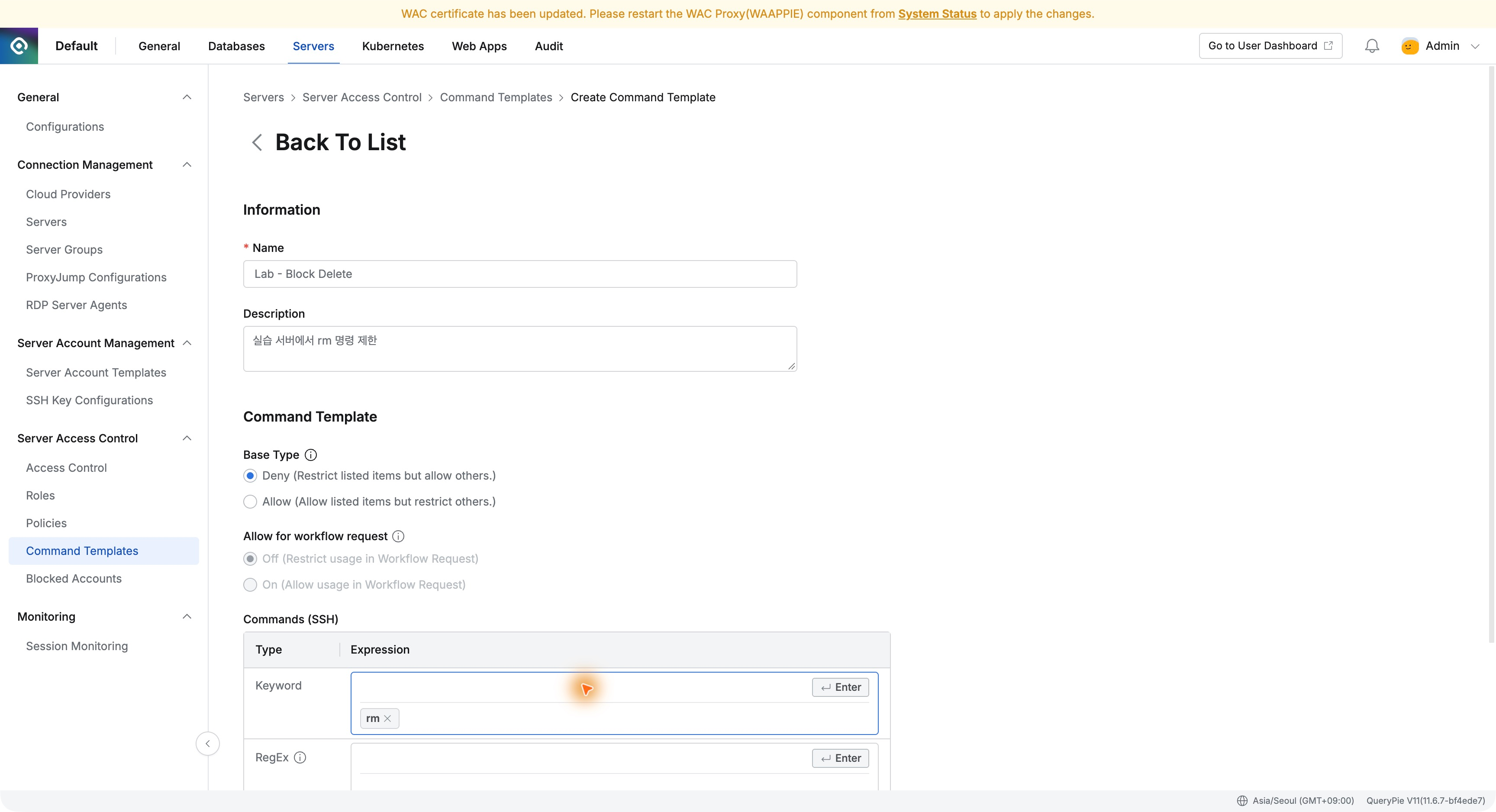
[Part 23] Allowing Server Access but Blocking Deletion — QueryPie Command Control
After password-free web-terminal access, I restricted commands after login. The operator should inspect account and file contents but not delete files with rm. I prepared a test file and applied Command Templates.
November 9, 2026
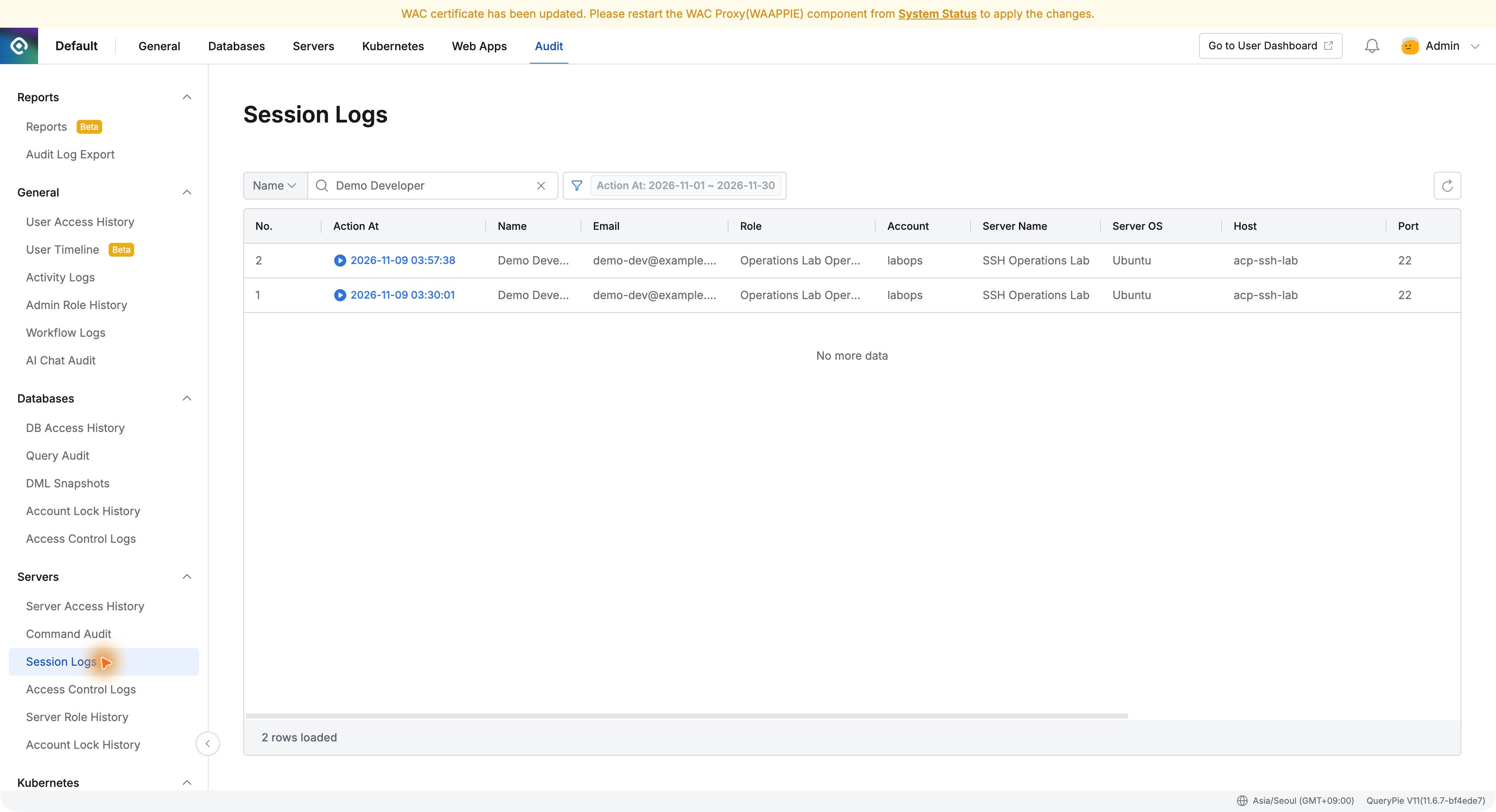
[Part 24] Replaying Work Done on a Server — QueryPie Session Recording
Previously, command audits showed who attempted rm and that it was blocked. Now I replayed the terminal session from Session Logs, jumping to the restriction and the subsequent file checks. Direct replay from Command Audit was especially convenient.
November 9, 2026
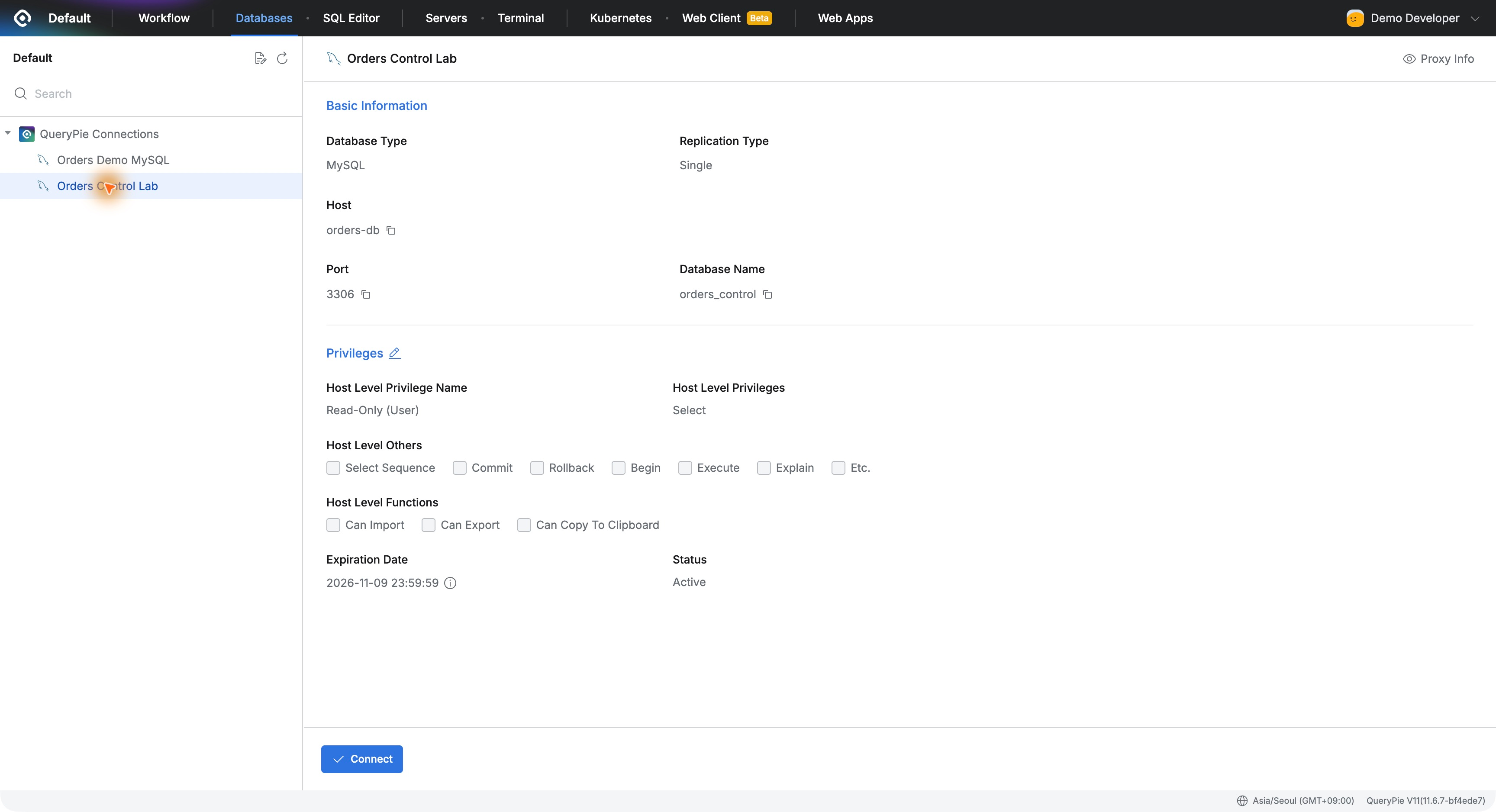
[Part 25] Database Queries Through MCP Keep Existing Permissions — QueryPie Community MCP
When connecting AI tools to a database, I first wanted to know who could see what. Orders should be accessible for work while settlements retain their restrictions. I connected MCP Inspector to QueryPie Community and tested both.
November 9, 2026
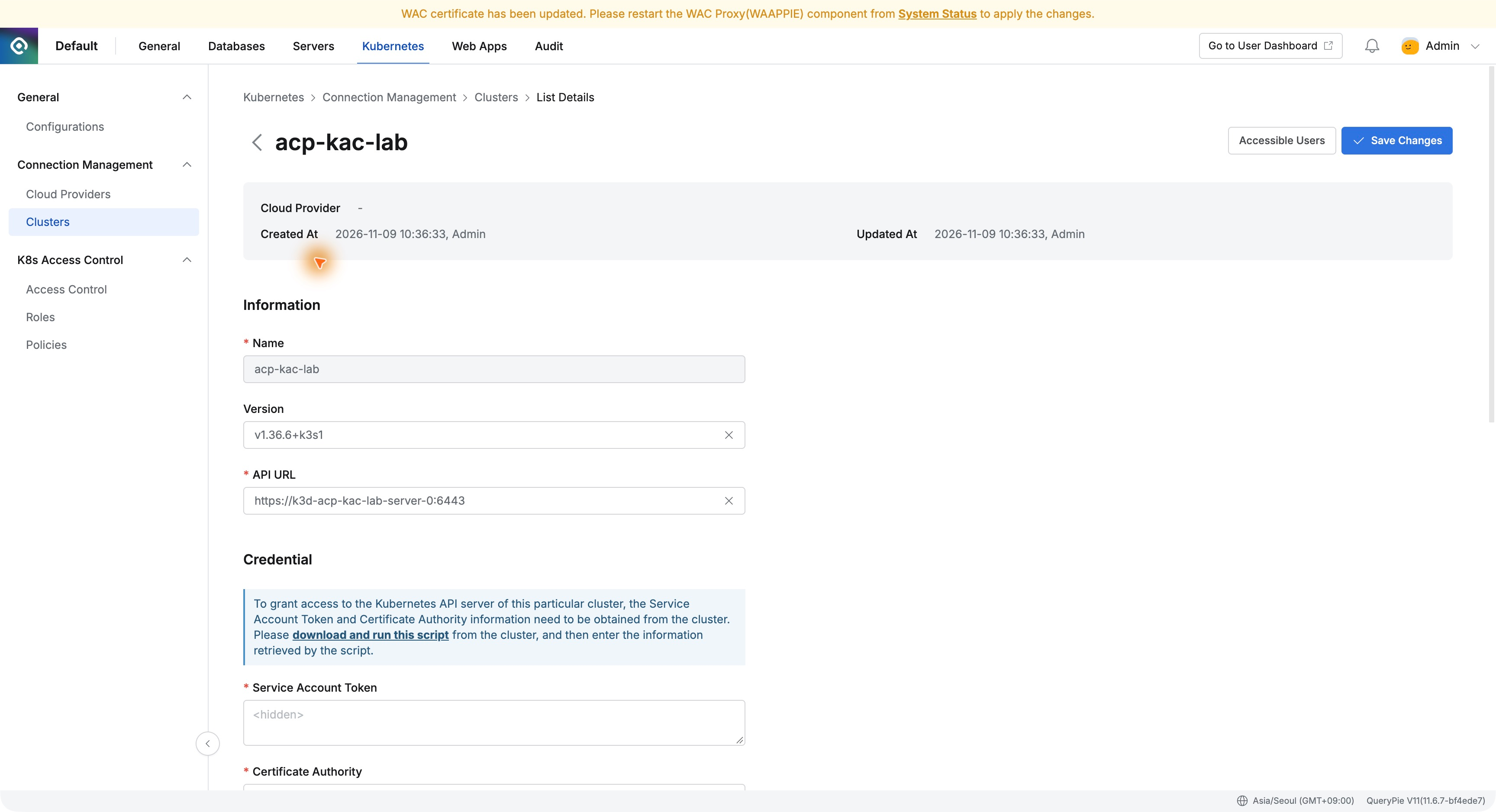
[Part 26] Reading Kubernetes Configuration While Blocking Changes — QueryPie Roles and Policies
Checking production Kubernetes settings does not always require permission to change them. I granted ConfigMap reads in QueryPie Community and denied changes, then reviewed both operations in the same audit screen.
November 9, 2026
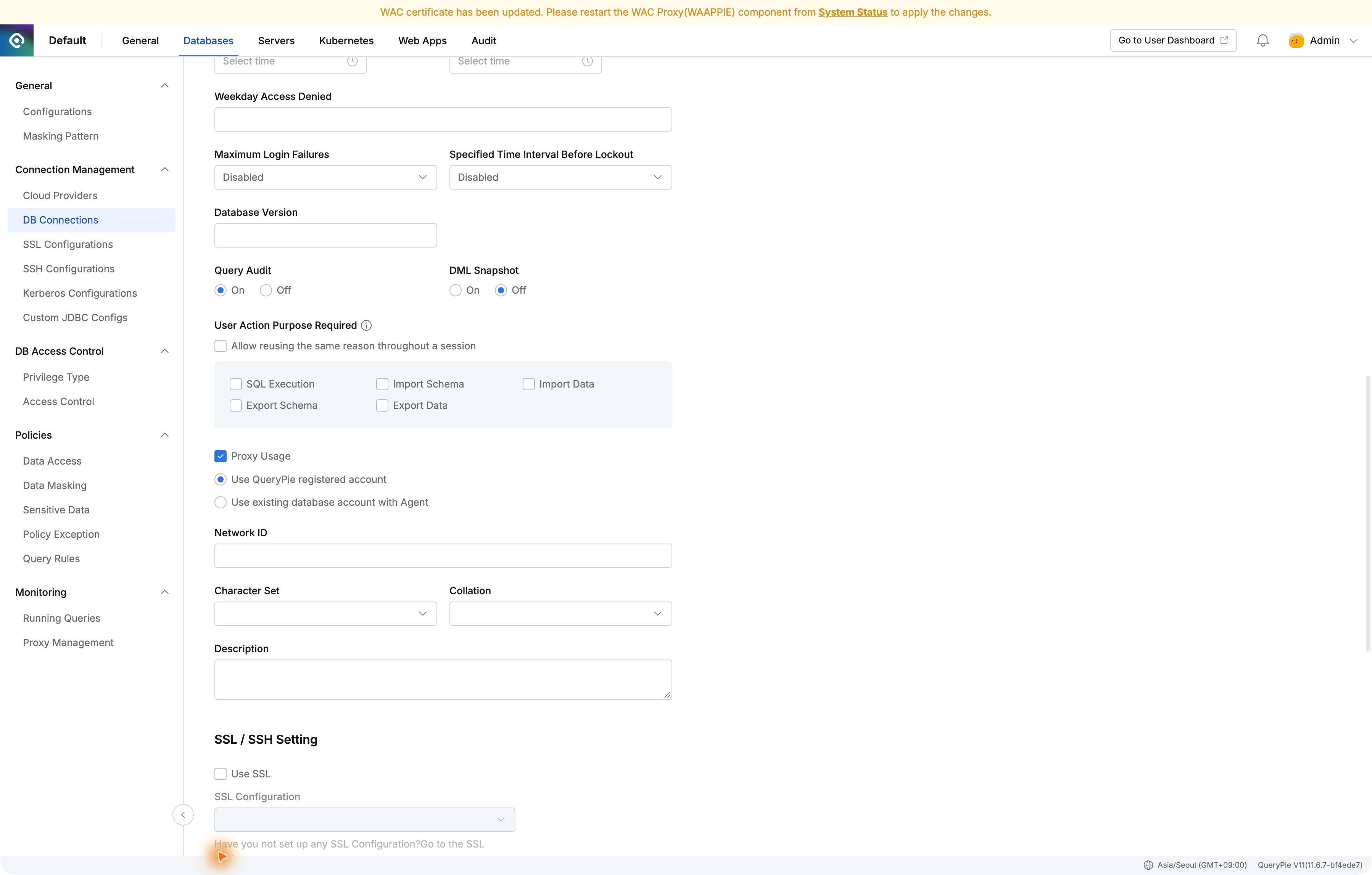
[Part 27] Keeping DBeaver, Closing Direct Database Access — Organizing QueryPie Connection Paths
QueryPie manages permissions and records, but an old direct database route needs separate attention. I compared direct and proxy queries in DBeaver, closed the direct port, and verified a new QueryPie connection still worked and produced audits.
November 9, 2026
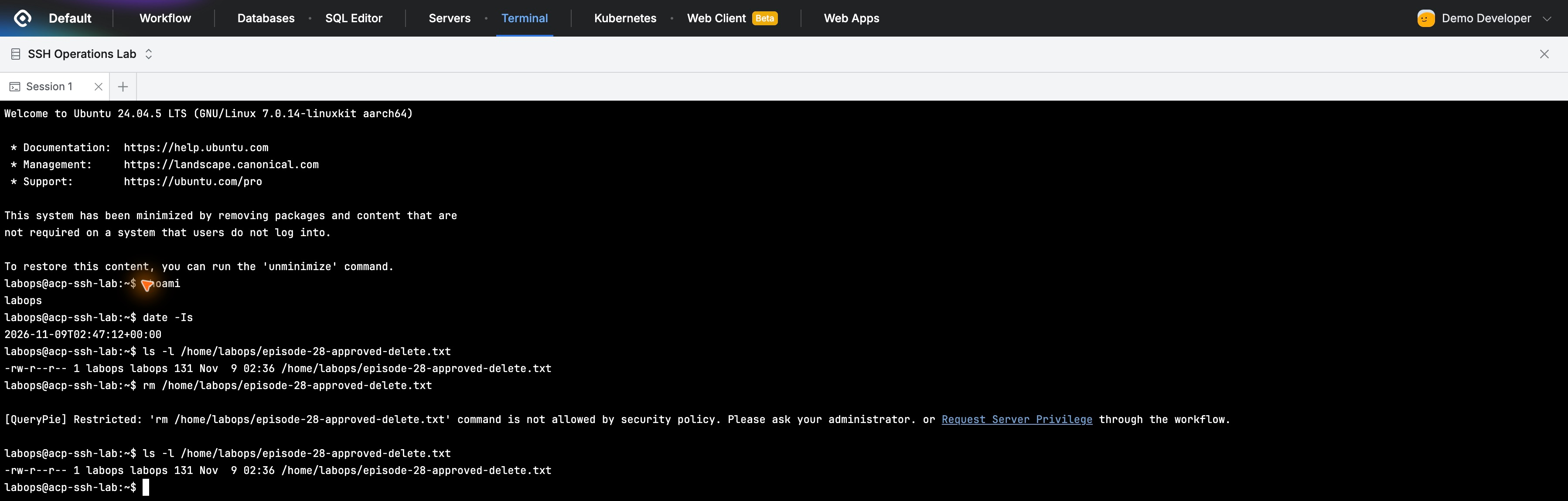
[Part 28] When a Blocked Delete Command Is Needed — Using It Only During an Approved Window
Part 23 blocked deletion despite allowing server login. Operations sometimes require restricted commands, such as cleaning old files. I requested five minutes of rm through Server Privilege Request, keeping the normal restriction intact.
November 9, 2026
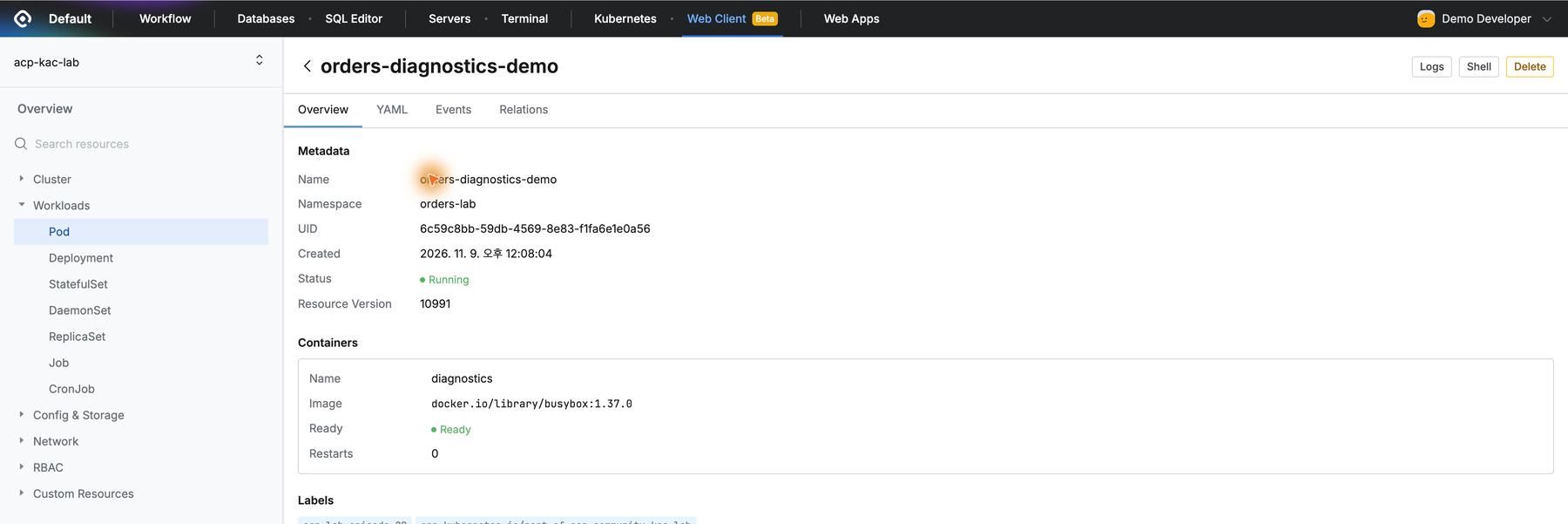
[Part 29] Reading Logs While Restricting Container Shell Access
Troubleshooting starts with logs, but not every log reader needs to execute commands in a container. Following Part 26’s read/change distinction, I separated log access from shell access on the same Pod in QueryPie.
November 9, 2026
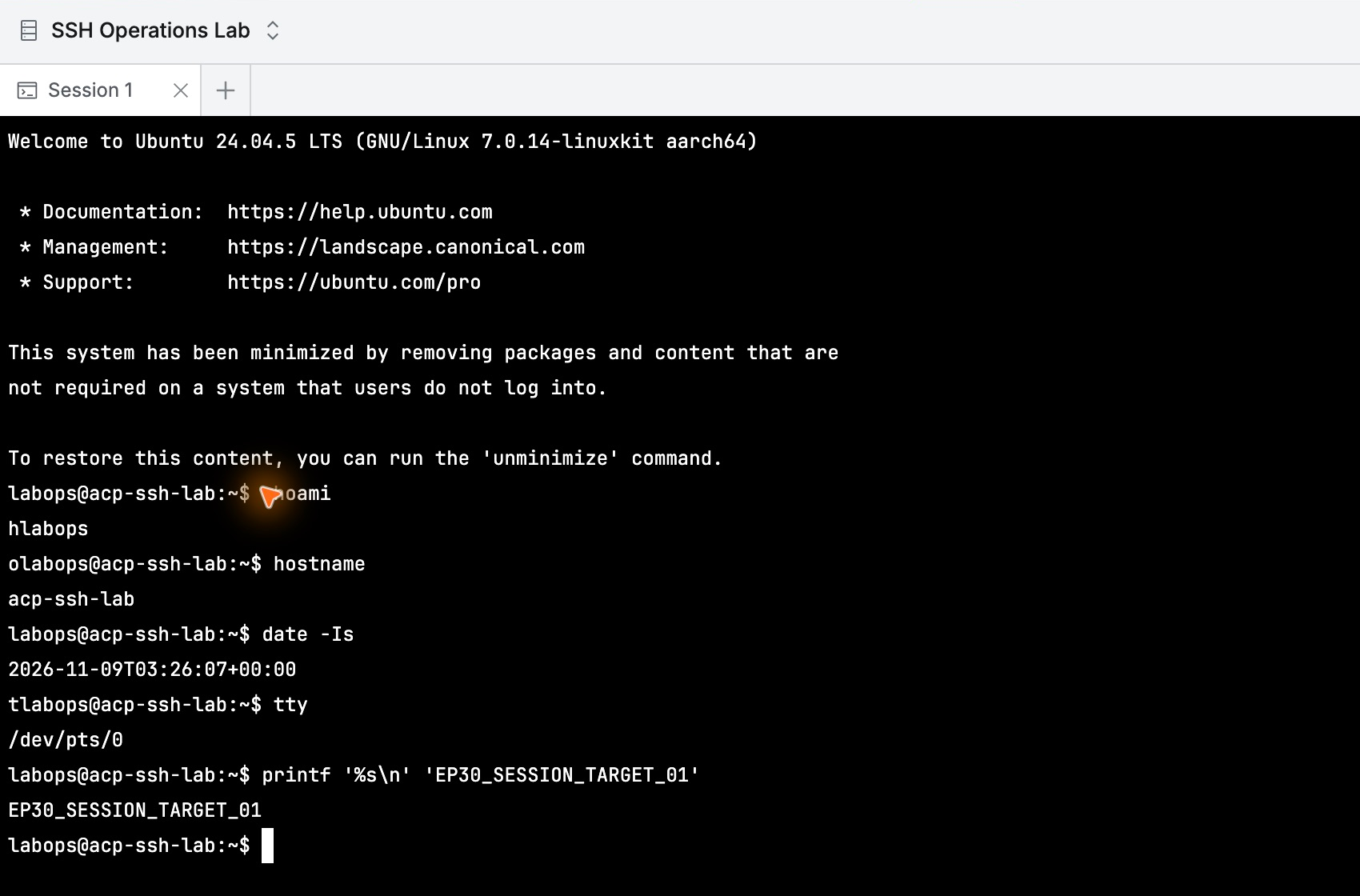
[Part 30] Finding and Terminating an Active Server Session
Access management continues after login: operators need to see who is connected and end a specific session when necessary. Part 24 replayed completed work; this time I found and terminated an active SSH session, then checked reconnection with the same role.
November 9, 2026
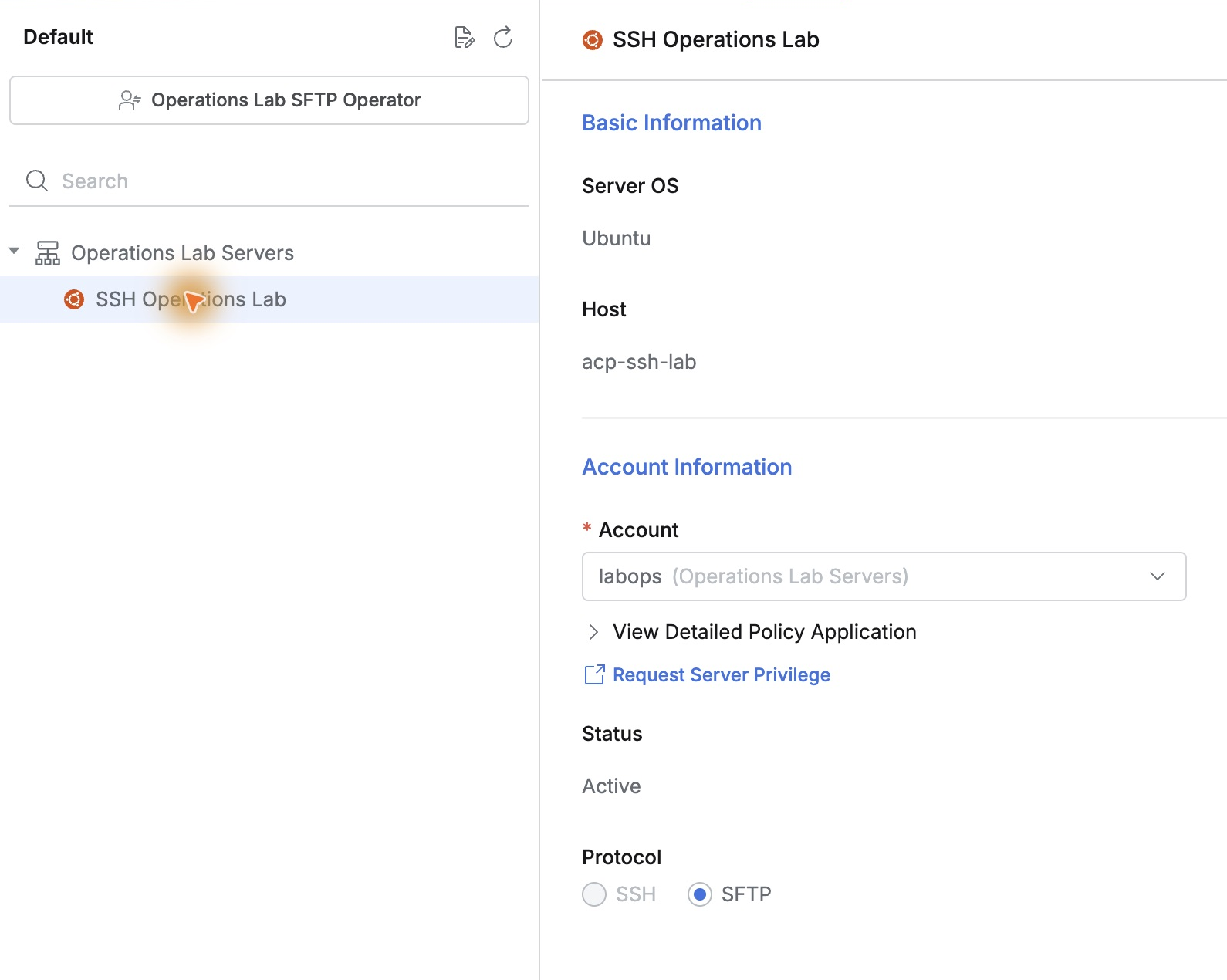
[Part 31] Downloading Server Files While Blocking Uploads
Inspecting production status files need not include upload rights. I used QueryPie web SFTP to transfer files with one user/account, then restricted only uploads and checked that downloads remained available.
November 9, 2026
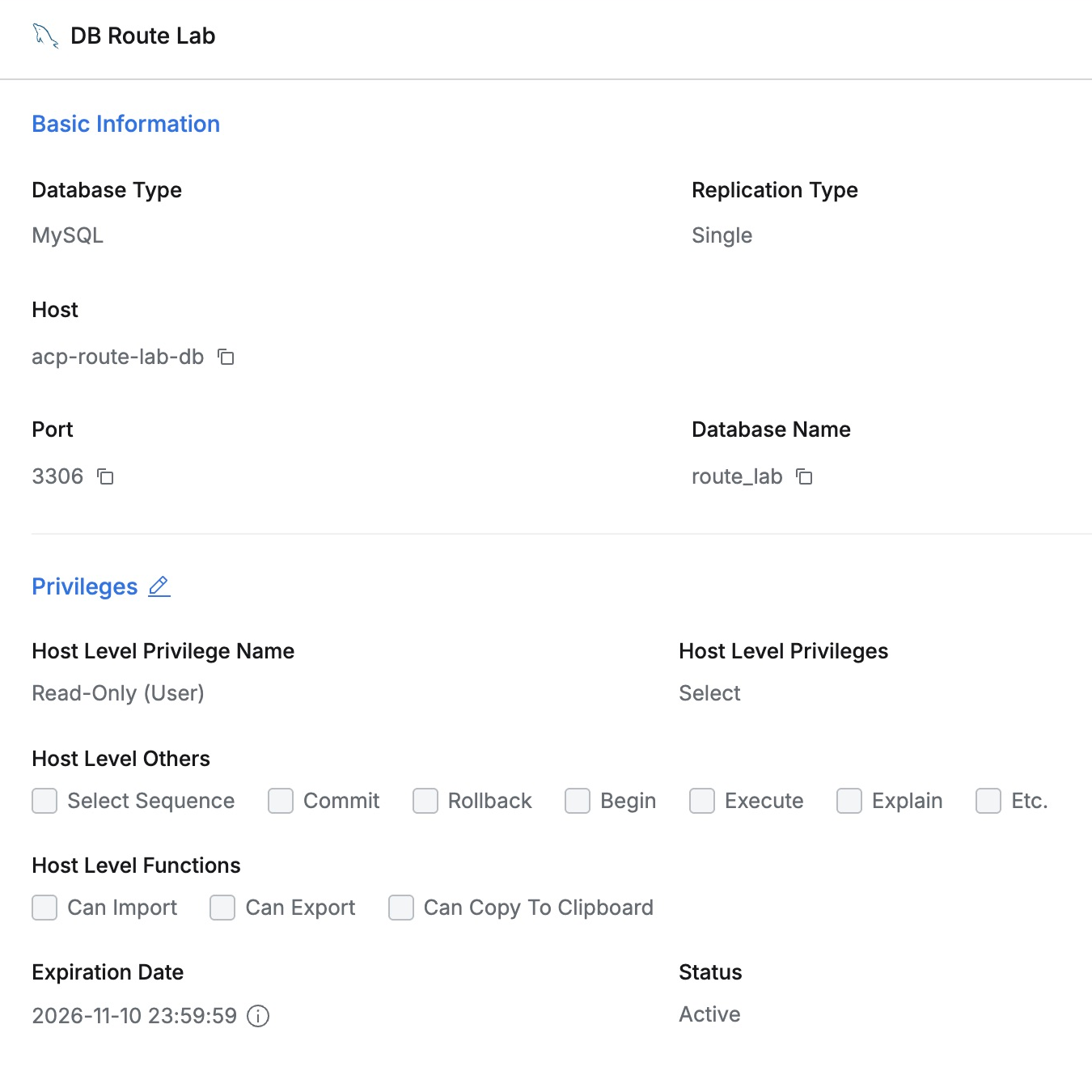
[Part 32] Recording the Reason Alongside the SQL
SQL audits show who queried what, but not whether a lookup answered a shipping inquiry or reconciled processing. I required execution reasons in QueryPie and queried two orders for different purposes, then checked their audit records.
November 9, 2026
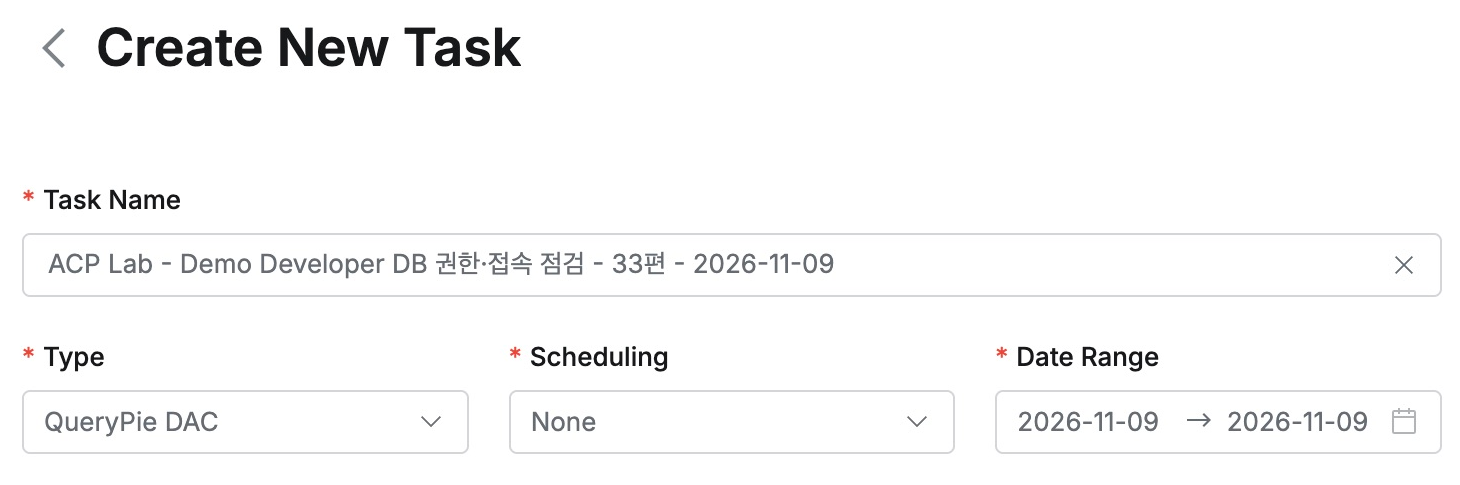
[Part 33] Combining Database Privileges and Access History in a Report
Access reviews ask what privileges a person holds now and which databases they used recently. I combined both in QueryPie Reports for Demo Developer, then inspected the downloaded summary and detailed files.
November 9, 2026

[Part 34] Separating Database Access by Task on the Same Server
Multiple business databases may share a server, but order staff do not need all settlement data. After table-level restrictions, I tested logical-database permissions: allow the orders database on one MySQL server while excluding finance.
November 9, 2026
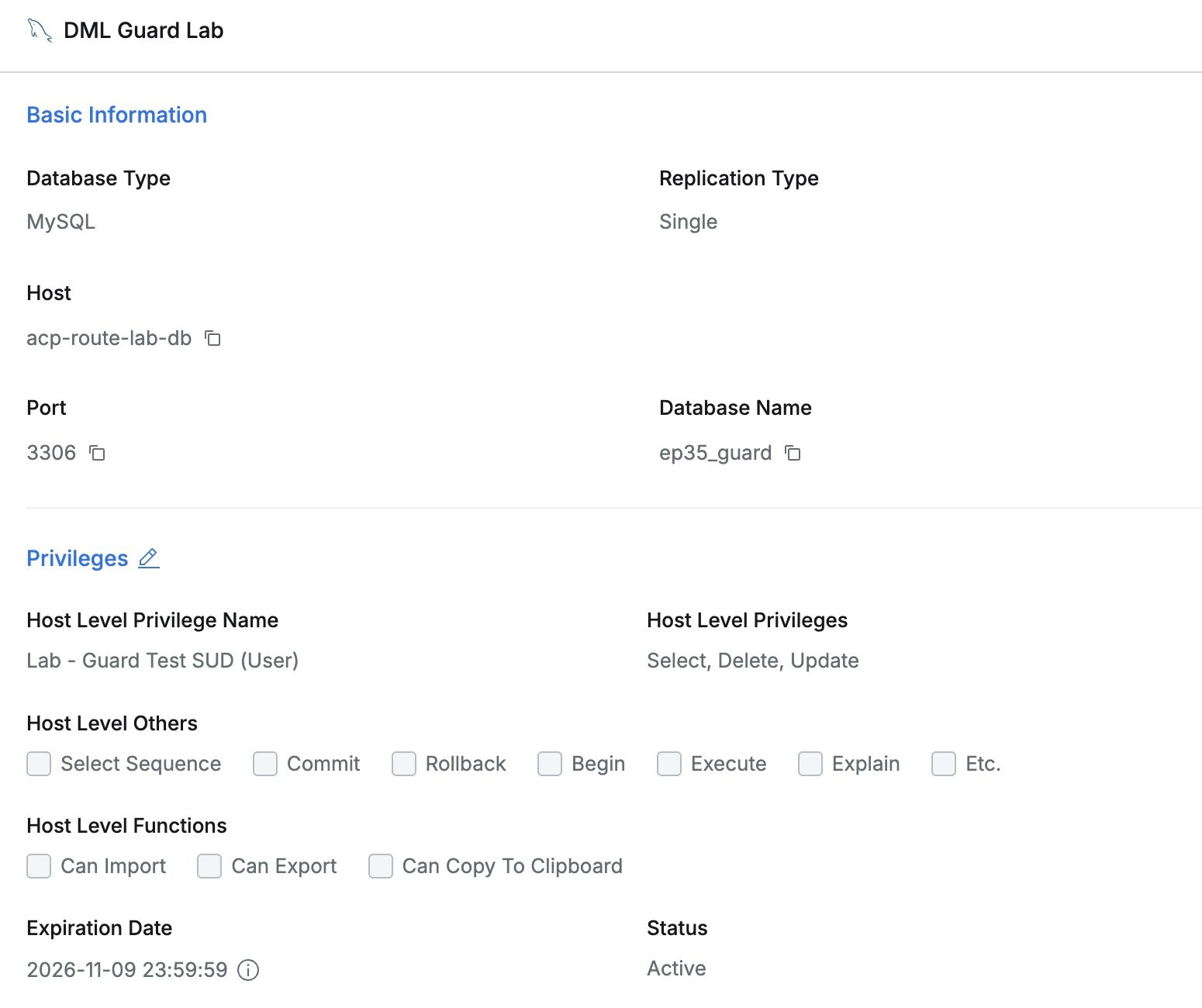
[Part 35] Blocking UPDATE and DELETE Without WHERE
Forgetting WHERE while changing one order can affect every row; DELETE may remove the whole table’s data. I enabled QueryPie’s safeguard and compared scoped SQL with missing-WHERE SQL using an account allowed to update and delete.
November 9, 2026
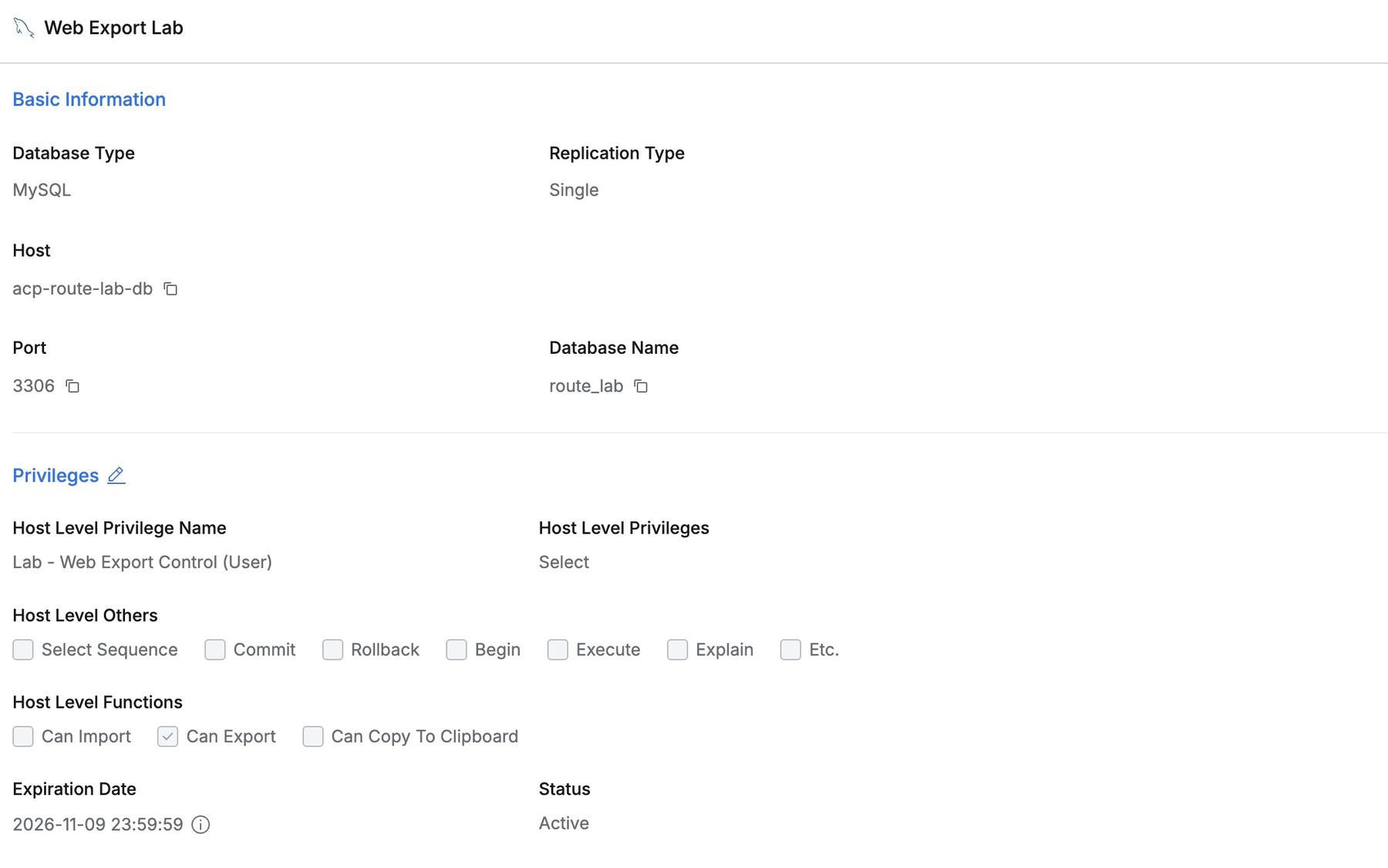
[Part 36] Allowing Reads and Managing File Export Separately
Sometimes viewing orders on screen is enough for shipping checks. I separated read and export privileges in the web SQL editor: first download three orders to CSV, then disable only Can Export and compare the UI.
November 9, 2026

[Part 37] Reviewing the Execution Plan Before Approving SQL
SQL approval reviews the statement and reason. An execution plan adds table/index context. I attached a plan to SQL Request and checked that the approver could inspect the same evidence inside the request.
November 9, 2026
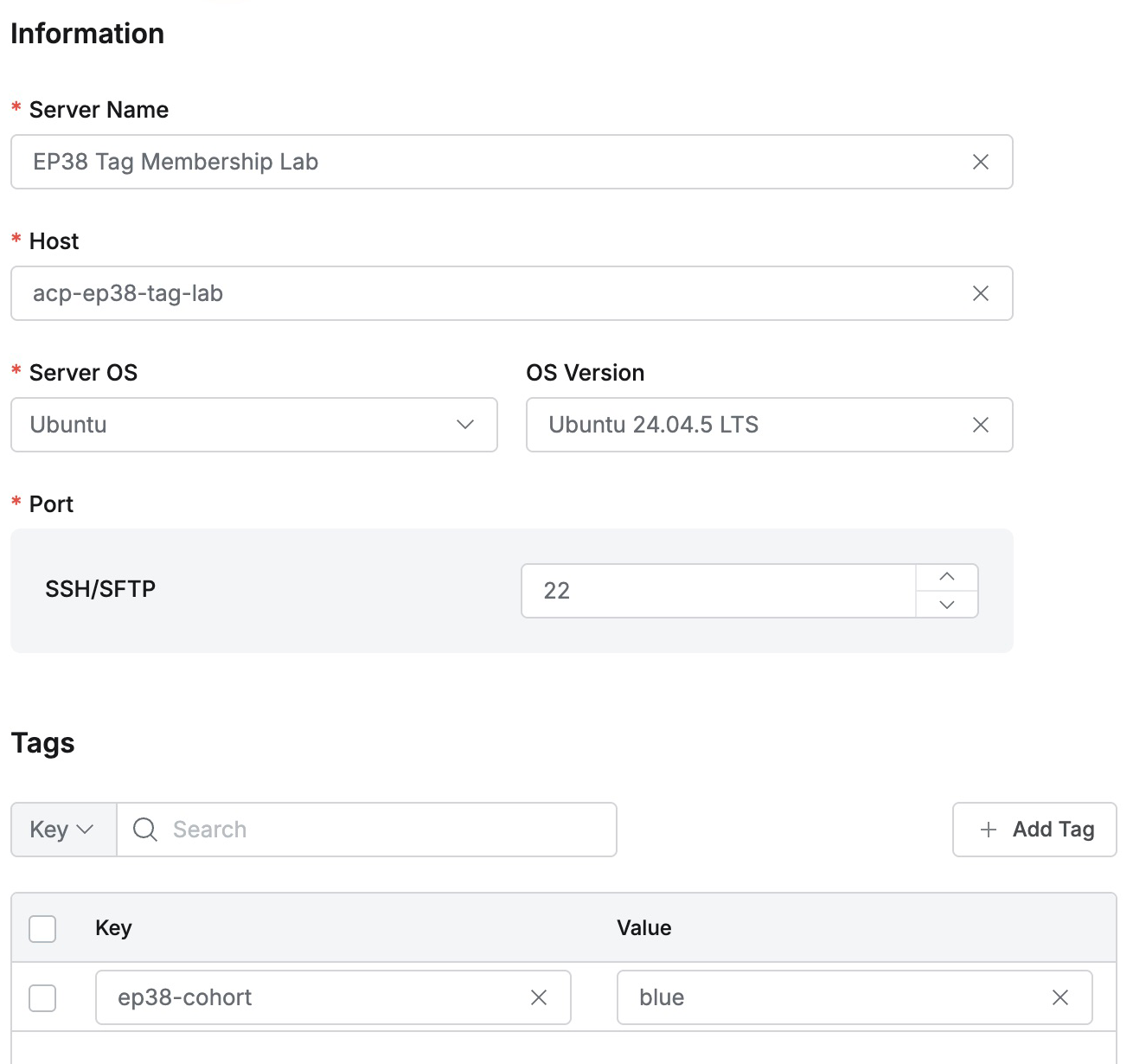
[Part 38] Changing a Server Tag Also Changes Group Membership
After registration and access grants, I explored grouping servers. QueryPie Server Groups can use tag conditions. I put the same server into a tag-based group and a manual group, then changed its tag to compare membership.
November 9, 2026
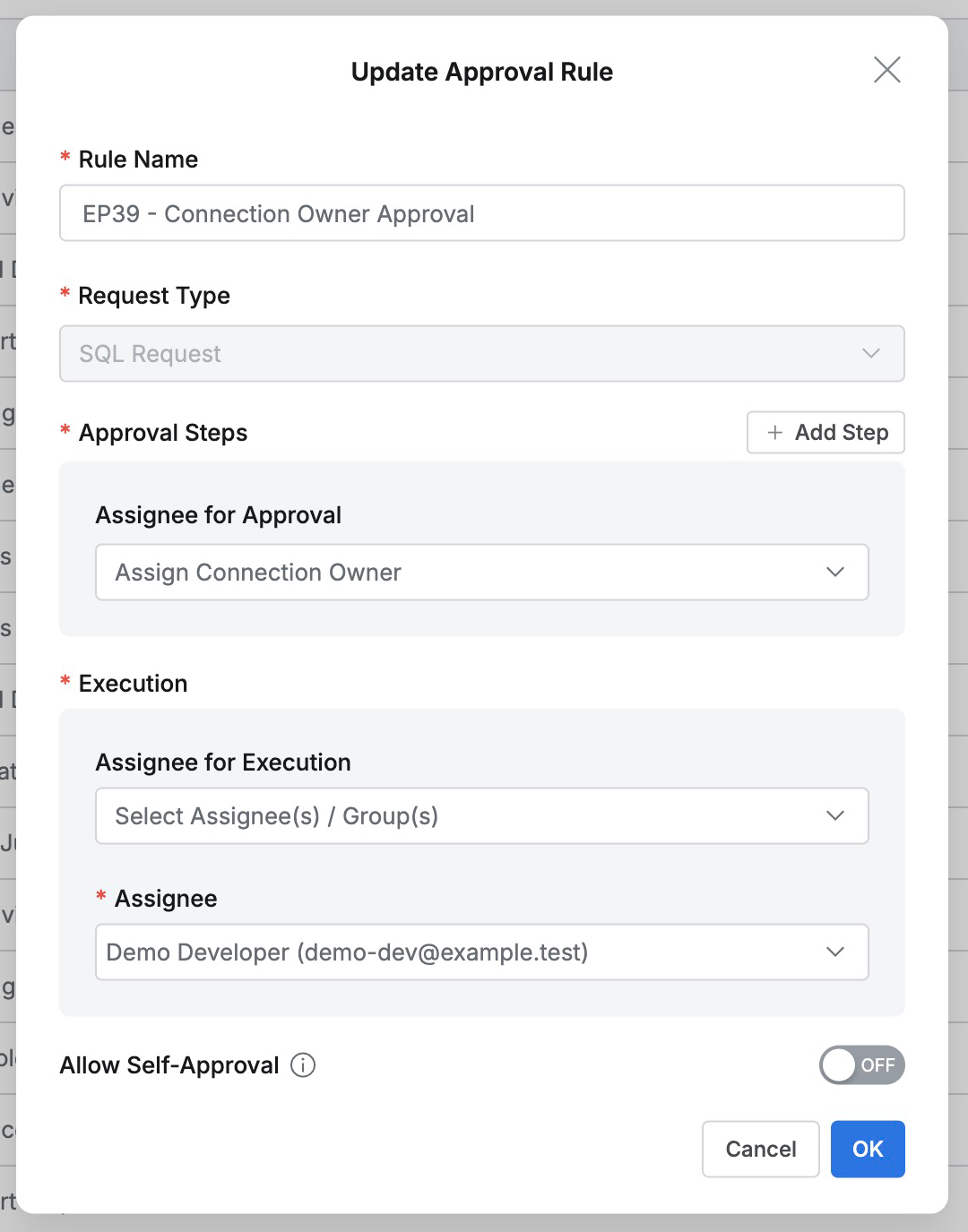
[Part 39] Changing the Database Owner Without Rewriting Approval Rules
Approval rules route SQL requests to reviewers, but must each rule be edited when the database owner changes? I used Connection Owner, processed one request, changed only the connection owner, and checked the next request’s assigned approver.
November 9, 2026
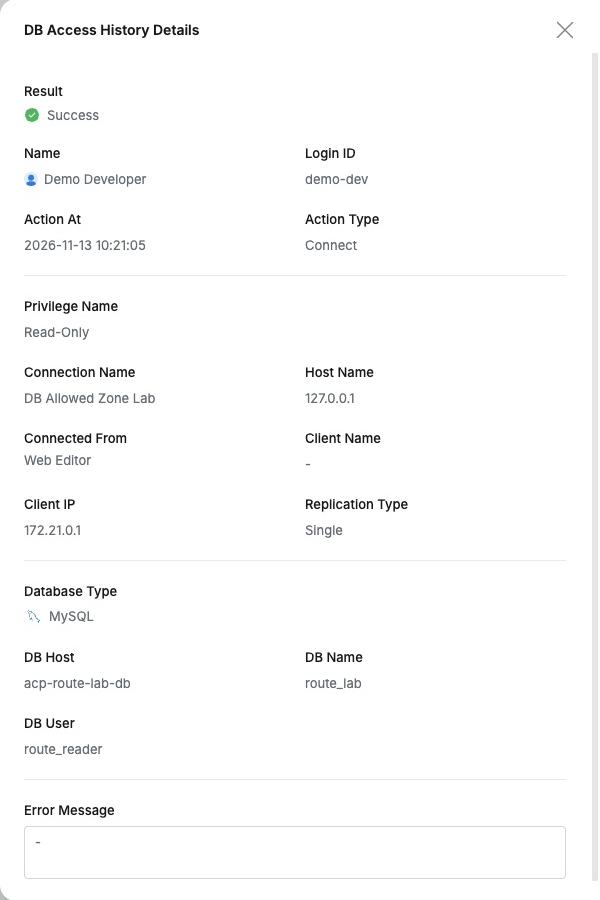
[Part 40] Keeping Database Privileges and Defining Allowed IPs
A user may need read access only from an approved network. I tried Allowed Zone, changing only allowed IPs while retaining user privileges, then restoring the original setting to verify access returned.
November 13, 2026
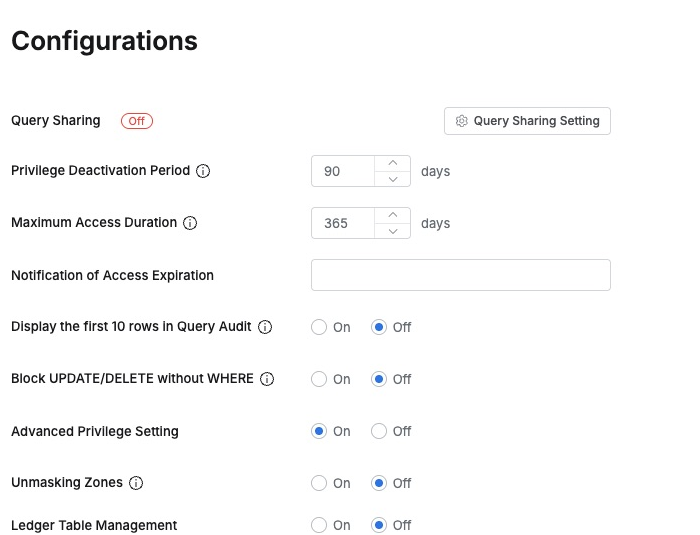
[Part 41] Mapping Read and Operational Privileges to Different Database Accounts
Database teams often separate read accounts from operational accounts. I mapped that distinction to QueryPie Advanced Privilege, verifying that the actual account changes with privileges and both identities remain in audits.
November 13, 2026
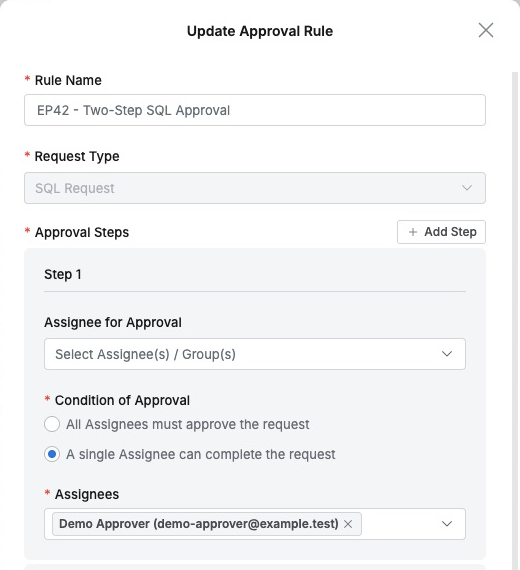
[Part 42] Adding Two-Step Approval to Database Work
Some database tasks need more than one reviewer: development checks SQL, then operations checks target and purpose. I built two sequential SQL Request approvals with different reviewers, then executed a one-order SELECT.
November 13, 2026
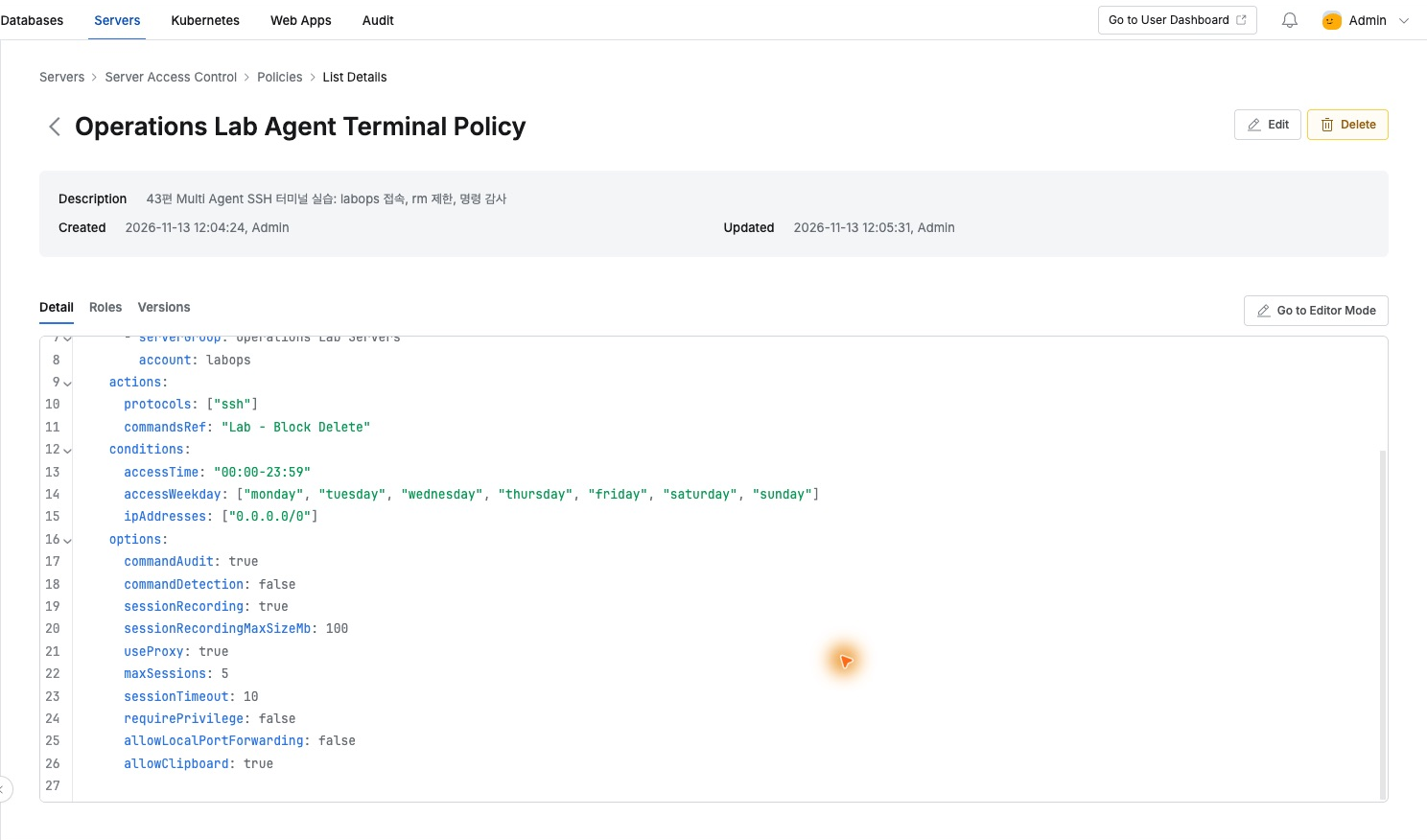
[Part 43] Connecting to Servers from My Everyday Mac Terminal
I wanted to keep inspecting accounts, files, and commands in my familiar terminal. I connected through Multi Agent from the Mac, tested normal commands and a restricted deletion, then reviewed connection and command audits in QueryPie.
November 13, 2026
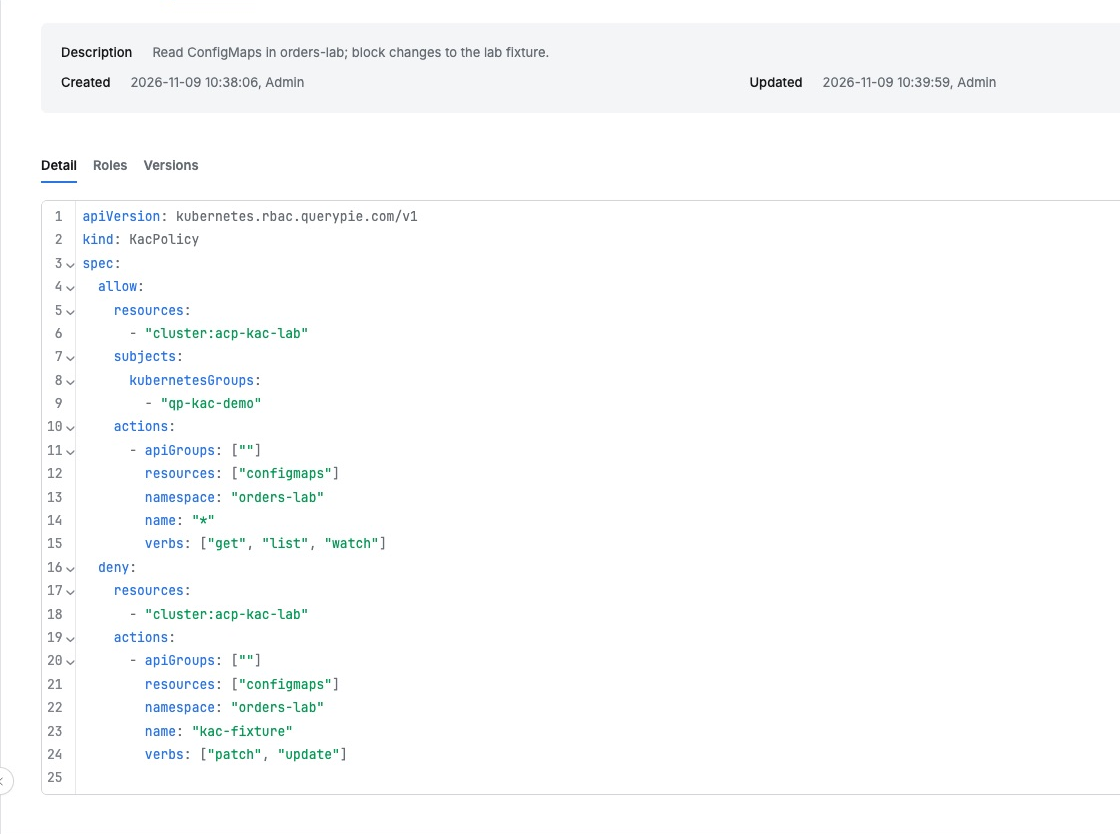
[Part 44] Separating Access Scope While Keeping kubectl
Kubernetes teams use kubectl daily and should not need a web UI for every check. I connected through Multi Agent, read a ConfigMap, attempted a change, and checked role-based handling in QueryPie.
November 13, 2026
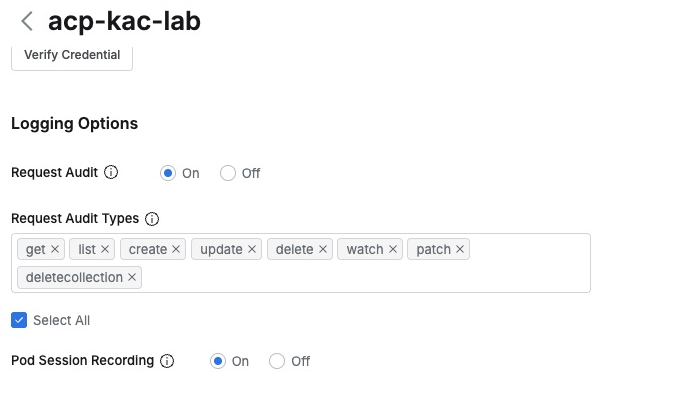
[Part 45] Replaying Work Inside a Container
Knowing someone entered a container raises the next question: what did they do and see? I performed a short test-Pod inspection and replayed Pod Session Recordings, linking access records to the actual terminal view.
November 13, 2026
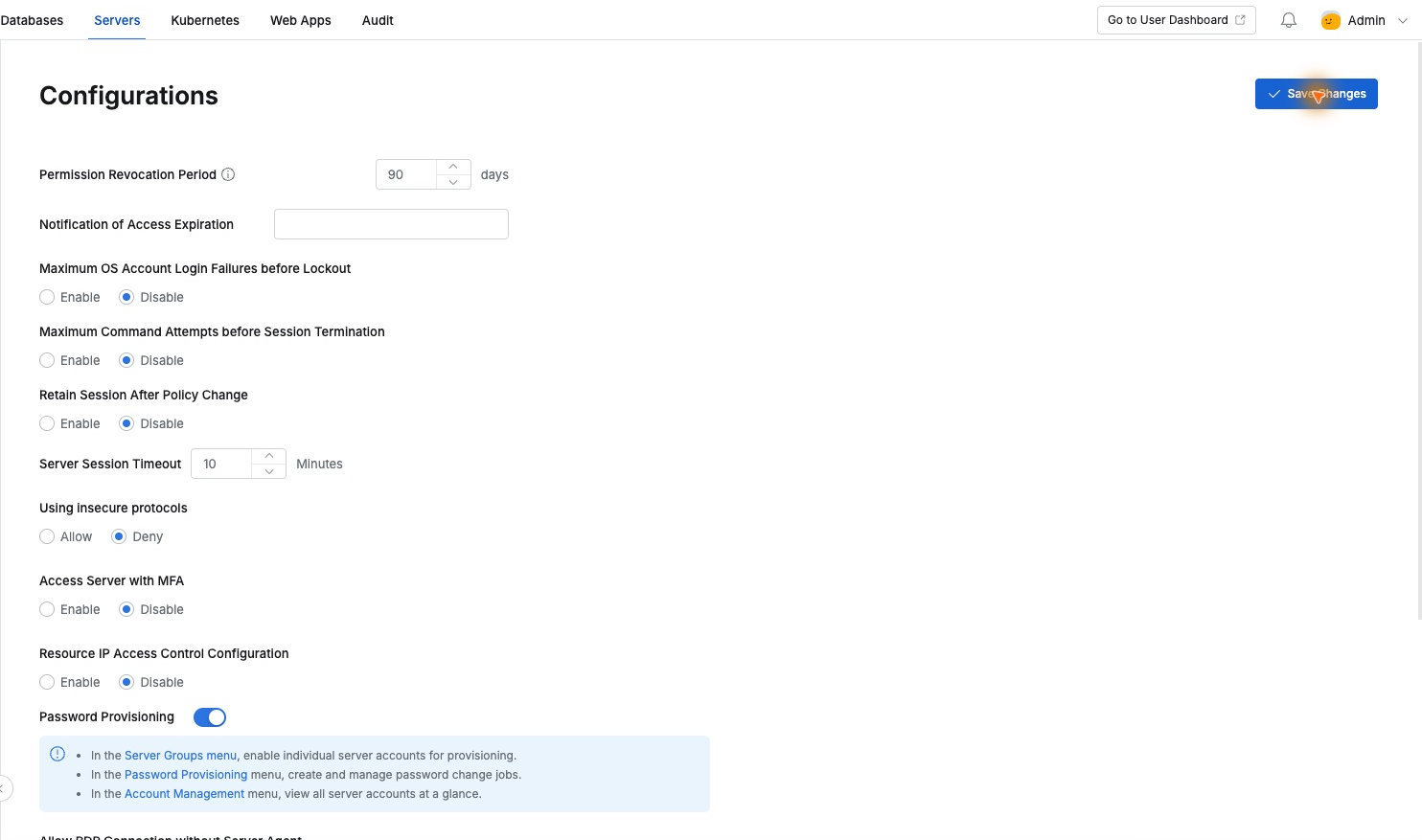
[Part 46] Changing a Server Account Password in QueryPie
A password change includes verifying access afterward and helping users reconnect, not just pressing a button. As servers grow, tracking rotations becomes difficult. I tried Password Provisioning on a test account, then connected and ran commands through QueryPie.
November 13, 2026
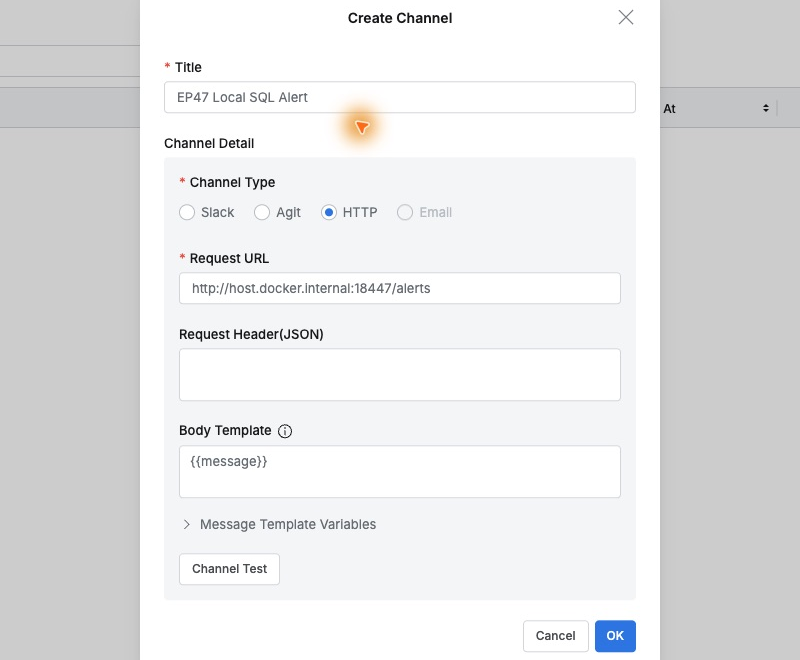
[Part 47] Receiving Alerts for Blocked SQL
Unauthorized SQL was already blocked, but could operators learn about attempts without constantly checking audits? I used Alerts, ran UPDATE with read-only access, and compared the delivered message with the audit.
November 13, 2026
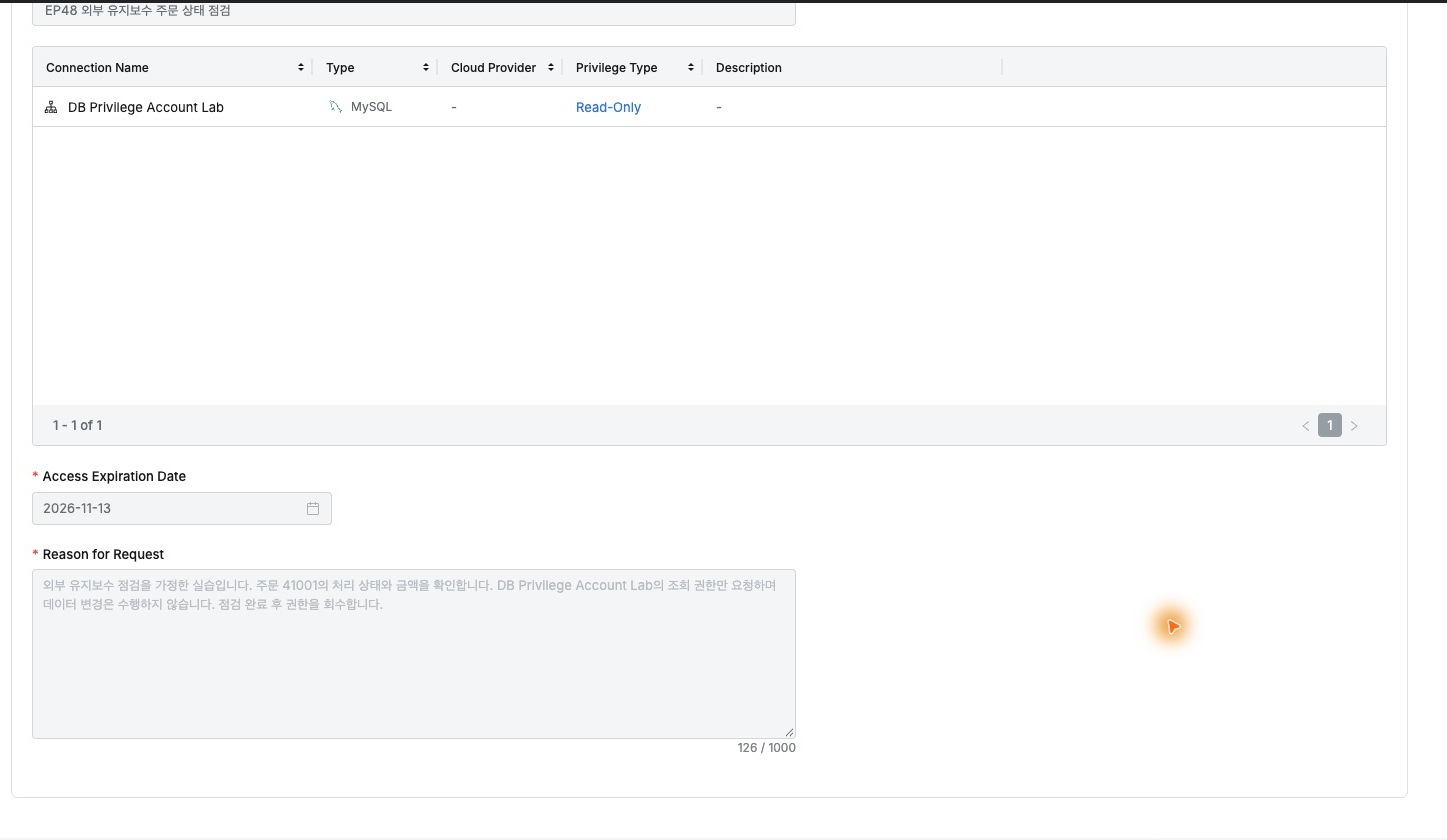
[Part 48] Delegating Only Necessary Work to External Maintenance Staff
External database checks need careful scope: order inspection does not require changes, and access should not remain after work ends. I followed a test contractor from read-access request through approval, inspection, revocation, and verification.
November 13, 2026
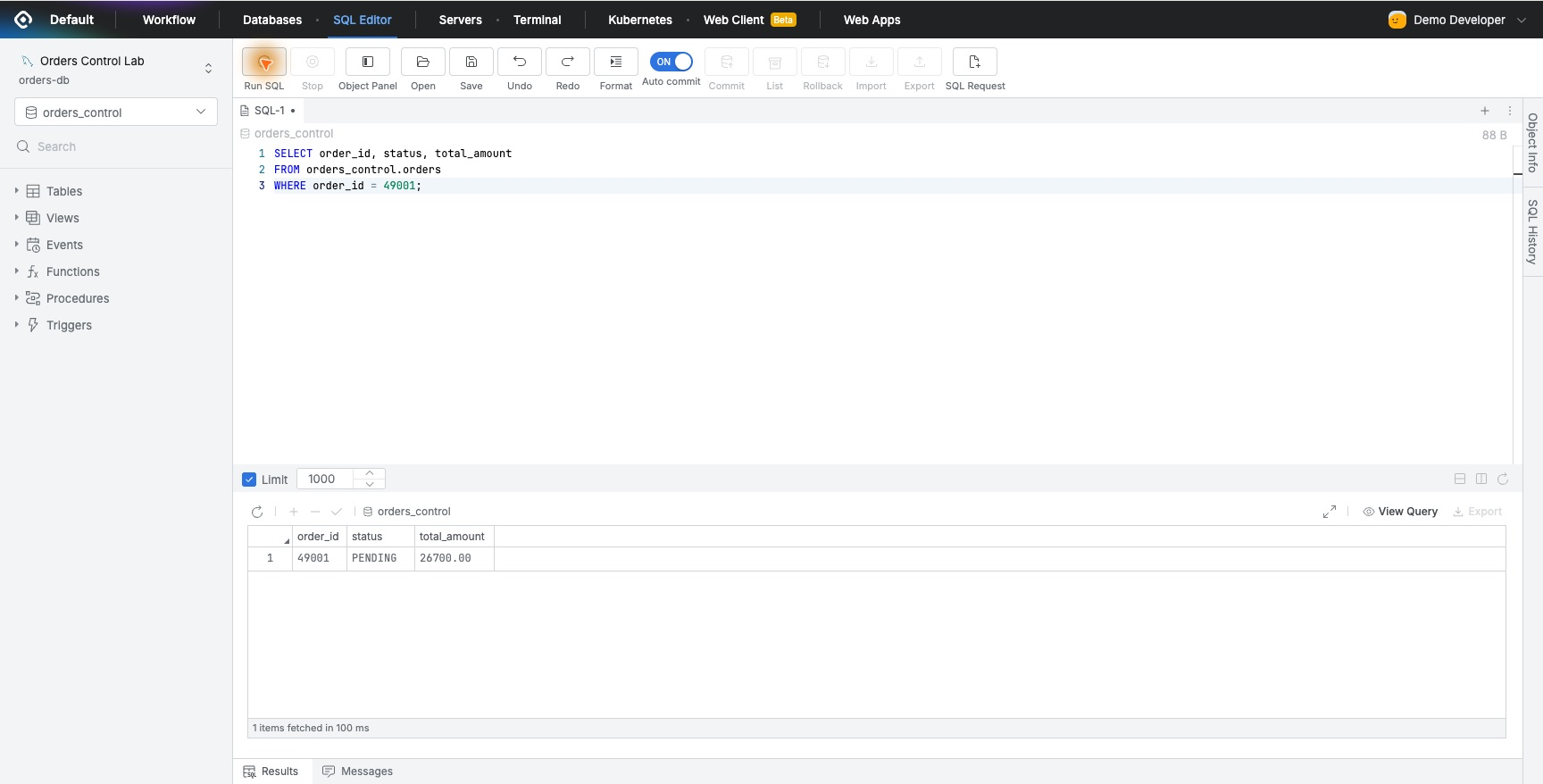
[Part 49] What records remain after changing a single order?
Changing a value in a production database often requires more than saying it is done. I followed one order correction through its justification, SQL approval, execution, before-and-after snapshots, and audit export.
November 13, 2026
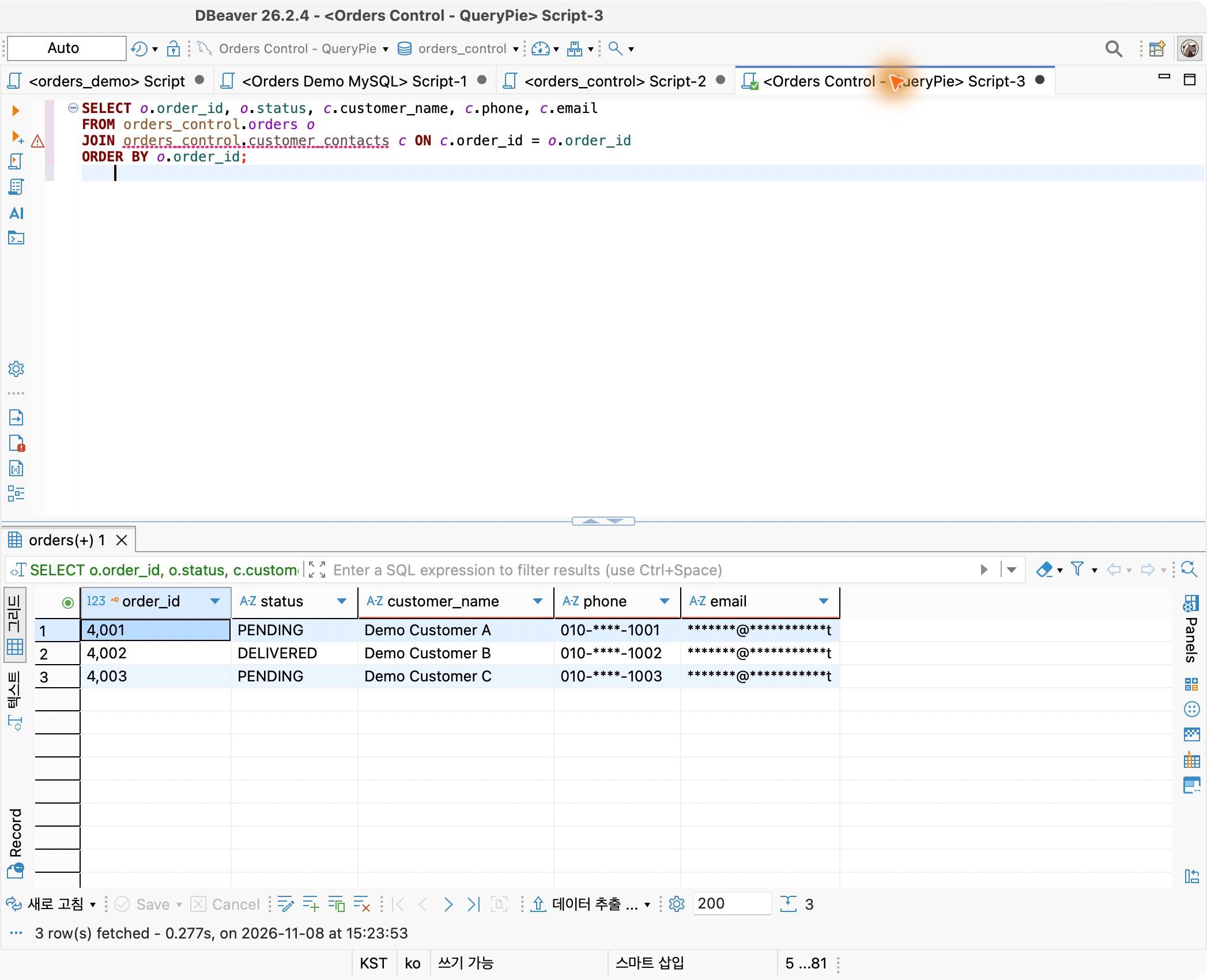
[Part 50] After a breach, how far can an attacker go? Reflections on the first ACP series
I began this series wondering how far an incident could spread after one account was compromised. After 50 hands-on posts covering databases, servers, and Kubernetes, I reflect on the controls I configured and the results I observed.
November 13, 2026
Stop Thinking.
Start Transforming.
